


Die einzigartigen Herausforderungen der Abfallwirtschaft an nordamerikanischen Universitäten
Häufige Abfallströme, schwankende Nachfrage und der Vorstoß für Nachhaltigkeit
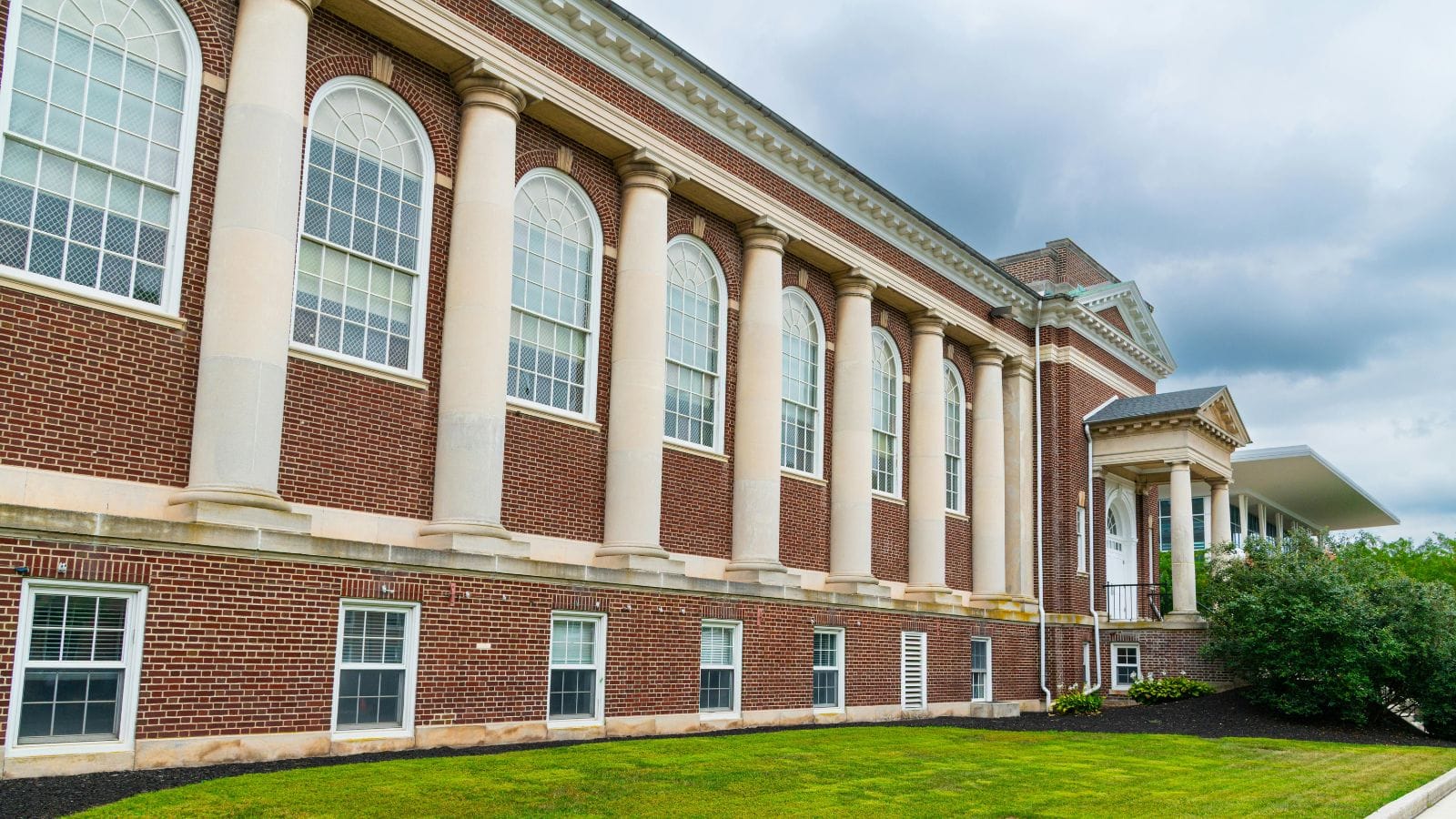
Universitätsgelände in den USA und Kanada erzeugen täglich viele verschiedene Arten von Abfällen. Dazu gehören gemischte Wertstoffe wie Papier, Karton, Kunststoffe und Metalle. In den Mensen fallen Lebensmittelabfälle an, während technologische Erneuerungen ausgediente Elektronik mit sich bringen. In Laboren entstehen mitunter auch gefährliche Materialien. Laut Campus Race to Zero Waste produziert jede*r Studierende im Durchschnitt etwa 640 Pfund (290 kg) festen Abfall pro Jahr. Rund 80 % dieses Abfalls können recycelt werden. Auf einem Campus mit etwa 6.500 Studierenden bedeutet das mehr als 2.000 Tonnen Abfall pro Jahr.
Die Abfallmenge auf dem Campus bleibt im Laufe des Jahres nicht konstant. Je nach akademischem Kalender kann das Abfallaufkommen steigen oder sinken. So führen beispielsweise Ein- und Auszugstage, Sportveranstaltungen und Feiertagsfeiern zu plötzlichen Abfallspitzen. Diese können Abfallbehälter überlasten und es dem Personal erschweren, Schritt zu halten. Zu anderen Zeiten füllen sich manche Behälter langsamer. Facility Manager müssen diese Schwankungen genau beobachten und ihre Sammelpläne entsprechend anpassen.
Universitäten stehen zudem unter starkem Druck, nachhaltiger zu werden. Viele orientieren sich an Richtlinien von Organisationen wie der Association for the Advancement of Sustainability in Higher Education (AASHE). Diese Vorgaben fordern Hochschulen dazu auf, weniger Abfälle auf Deponien zu entsorgen, Treibhausgasemissionen zu senken sowie mehr Materialien zu recyceln oder zu kompostieren. Im Jahr 2024 kompostierten oder recycelten die an diesen Initiativen beteiligten Campusstandorte mehr als 30 Millionen Pfund Abfall. Dadurch wurden über 23.000 Tonnen CO₂-Emissionen vermieden. Studierende und Mitarbeitende erwarten von ihren Hochschulen, mit gutem Beispiel voranzugehen. Infolgedessen müssen Universitäten datenbasierte Ansätze nutzen, um Abfallsammlung und Recycling weiter zu verbessern.
Genaue Echtzeitdaten darüber, wie voll Abfallbehälter und Container sind, können Universitäten dabei helfen, ihre Abfallwirtschaft effizienter zu gestalten. Wenn Hochschulen genau wissen, wie viel Abfall sich an jedem Standort befindet, können sie effiziente Sammelrouten planen und verpasste Recyclingmöglichkeiten vermeiden. Diese transparente Informationslage hilft, Fehler zu verhindern, die zu Bußgeldern oder zur Verschwendung von Ressourcen führen können. Mit hochwertigen Daten können Universitäten ihre Ziele im Bereich Abfallmanagement und Nachhaltigkeit deutlich wirksamer erreichen.
Wie Füllstandssensoren funktionieren und die IoT-Integration
Grundlagen der Füllstandserkennung
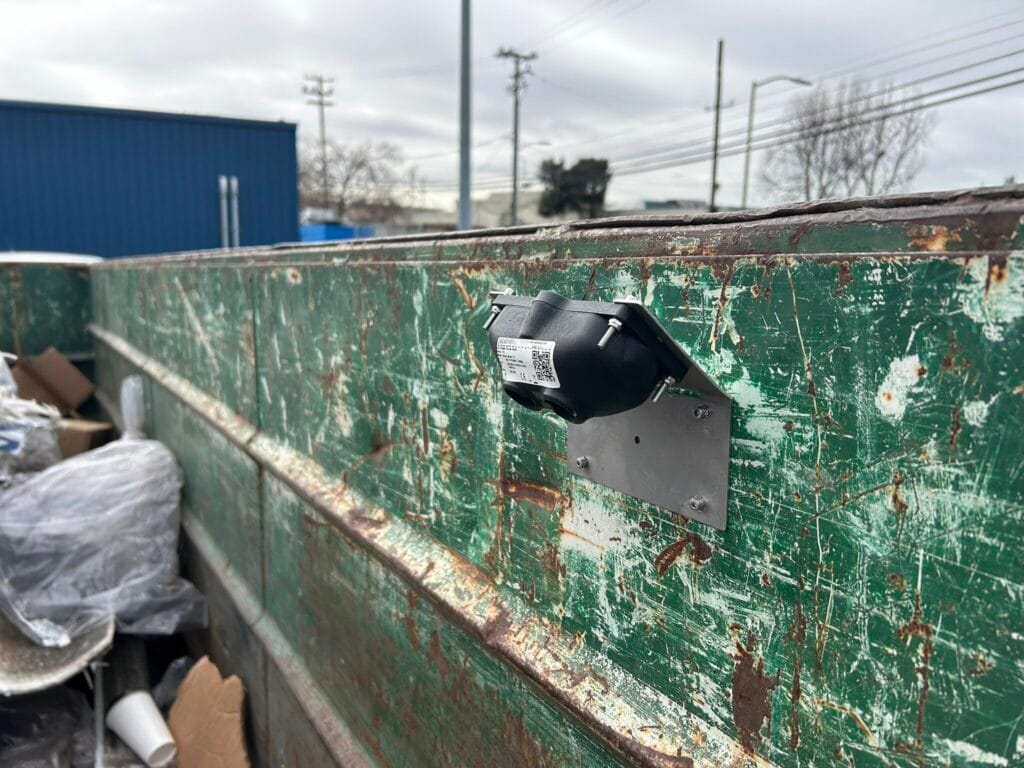
An Universitäten in den USA und Kanada helfen Füllstandssensoren dabei, zu erfassen, wie viel Abfall sich in Abfallbehältern und Containern befindet. Die am häufigsten verwendeten Sensoren für diesen Zweck sind Ultraschall-, Infrarot- und Radarsensoren. Diese Geräte sind in der Regel an der Innenseite des Deckels oder der Wand jedes Behälters oder Containers angebracht.
Ultraschallsensoren funktionieren, indem sie hochfrequente Schallwellen aussenden. Treffen diese Wellen auf die Oberfläche des Abfalls, werden sie zum Sensor zurückreflektiert. Der Sensor misst die Zeit, die der Schall für den Hin- und Rückweg benötigt, und ermittelt daraus die Entfernung zum Abfall. Anhand dieser Distanz kann berechnet werden, wie voll der Behälter ist. Infrarotsensoren nutzen anstelle von Schall Lichtwellen, um dasselbe zu messen. Radarsensoren arbeiten mit Funkwellen, die auch bei staubigen oder verschmutzten Behältern noch genaue Messwerte liefern. Die Wahl des Sensors hängt davon ab, wo der Behälter steht und welche Art von Abfall er enthält. So wird sichergestellt, dass die Sensoren sowohl in Innen- als auch in Außenbereichen sowie bei den unterschiedlichen Abfallarten auf Universitätsgeländen zuverlässig funktionieren.
Integration mit IoT-Plattformen
Nachdem ein Sensor den Füllstand gemessen hat, überträgt er diese Informationen drahtlos an eine zentrale Internet-of-Things-(IoT-)Plattform. Die Sensoren verfügen über integrierte Funkmodule, die Netzwerke wie Mobilfunk (z. B. LTE-M oder NB-IoT), LoRaWAN oder WLAN nutzen. Diese Netzwerke sind auf nordamerikanischen Campusgeländen weit verbreitet. Auf diese Weise können Hunderte von Abfallbehältern und Containern ihre Daten in Echtzeit senden, ohne dass eine manuelle Kontrolle erforderlich ist.
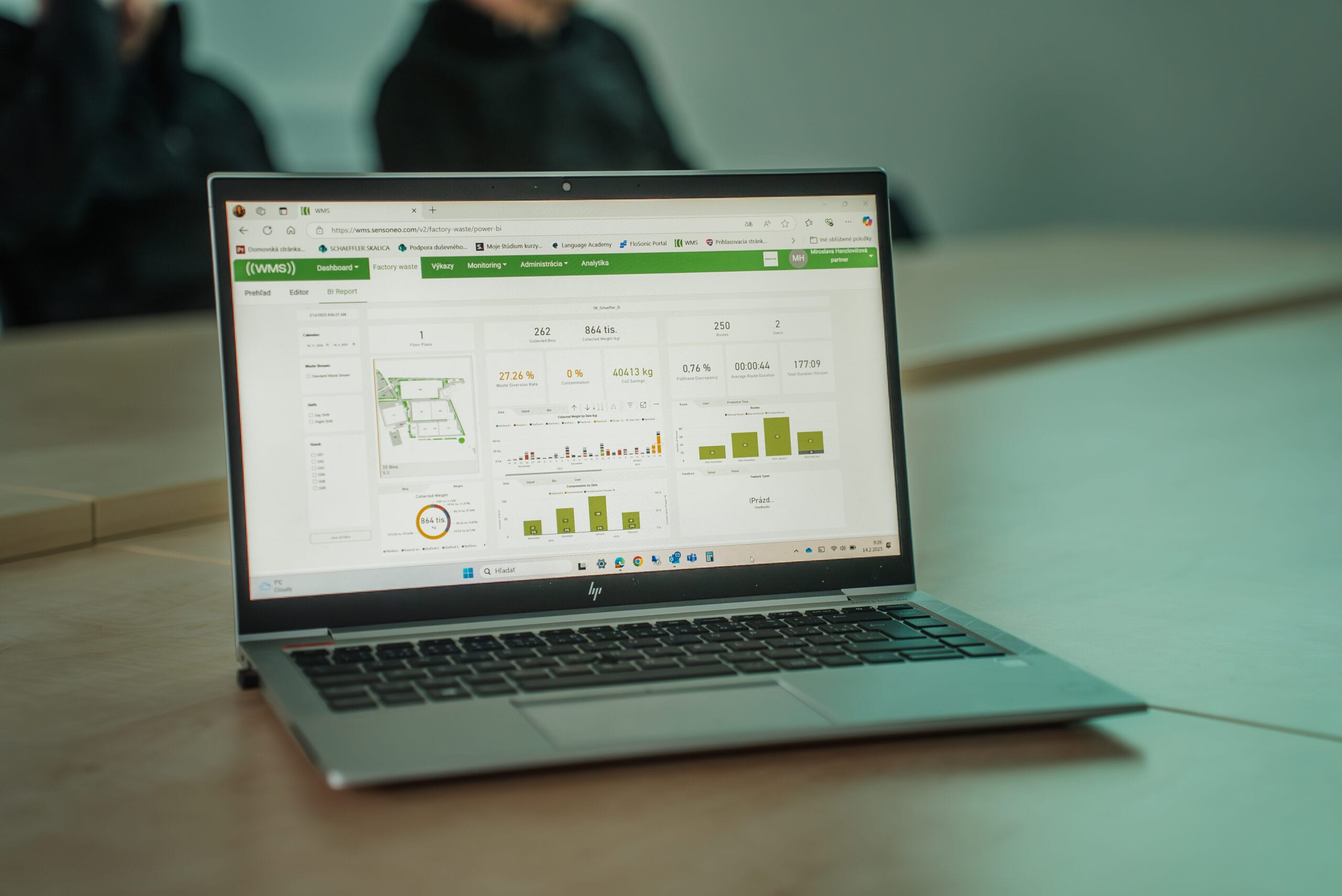
Die IoT-Plattform sammelt alle Füllstandsdaten der überwachten Behälter. Facility Manager können diese Informationen über ein Live-Dashboard einsehen, auf dem aktuelle Füllstände angezeigt, Trends analysiert und auf Basis der Daten automatische Warnmeldungen eingerichtet oder optimale Routen für die Abfallsammlung geplant werden können. Zudem lässt sich das System über Programmierschnittstellen (APIs) mit anderen Campus-Management-Tools verbinden. Dadurch wird ein einfacher Informationsaustausch zwischen Nachhaltigkeits-, Betriebs- und Reinigungsteams ermöglicht.
Vorteile der IoT-gestützten Füllstandsüberwachung
Durch den Einsatz von IoT zur Überwachung von Füllständen wird das Abfallmanagement flexibler und stärker auf Echtzeitdaten gestützt. Manuelle Kontrollen der Behälter sind seltener erforderlich, und die Abholung erfolgt nur dann, wenn sie tatsächlich notwendig ist. Dieser Ansatz reduziert unnötige Fahrten und spart Ressourcen. Für Universitäten in den USA und Kanada tragen solche Systeme dazu bei, Abläufe zu optimieren, Kosten zu senken und Fortschritte bei der Erreichung von Nachhaltigkeitszielen nachzuverfolgen. Gleichzeitig liefern sie die Datenbasis für weiterführende Analysen und zukünftige Verbesserungen, während sich Campusgelände zunehmend in Richtung intelligenter Systeme entwickeln.
Integration der Füllstandsüberwachung in den Campusbetrieb
Nahtlose Datenintegration und Entscheidungsfindung in Echtzeit
Wenn Füllstandsüberwachungsdaten in den Campusbetrieb integriert werden, sind zuverlässige Verbindungen zwischen intelligenten Sensoren und den zentralen Facility-Management-Systemen erforderlich. Füllstandssensoren nutzen Ultraschall- oder Infrarottechnologie, um zu messen, wie voll Abfallbehälter sind. Diese Sensoren senden Echtzeitdaten über drahtlose Netzwerke wie LoRaWAN, NB-IoT oder WLAN. Die Daten werden an cloudbasierte oder lokale Managementsysteme übertragen und können so von überall auf dem Campus leicht nachverfolgt werden. Viele moderne Systeme bieten standardisierte Programmierschnittstellen (APIs), mit denen Sensordaten direkt in bestehende Campus-Software integriert werden können. Diese Architektur stellt sicher, dass die Lösung mit bereits eingesetzten Asset-Management- und Gebäudeautomationssystemen kompatibel bleibt.
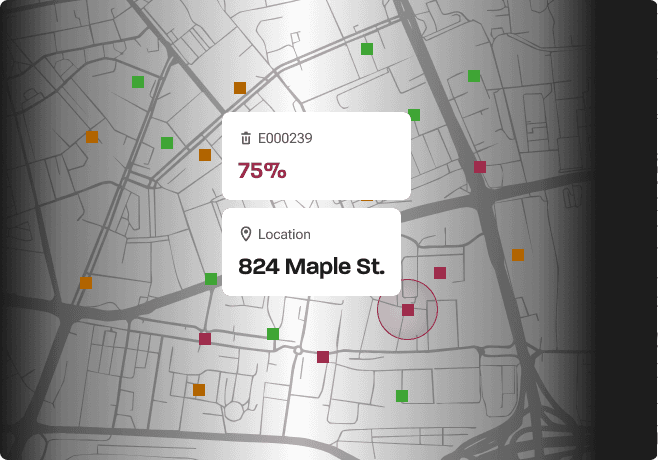
Wenn alle Daten an einem zentralen Ort zusammengeführt werden, können Facility-Teams den Status jedes einzelnen Abfallbehälters über Campus-Dashboards einsehen. Diese Dashboards aktualisieren die Füllstandsinformationen nahezu in Echtzeit. Fortschrittliche Managementplattformen sammeln und verarbeiten diese Daten und nutzen prädiktive Analysen, um Trends bei der Abfallentstehung nach Standort und Zeitraum zu erkennen. Dadurch lassen sich Sammelpläne automatisch erstellen sowie Personal und Ressourcen bedarfsgerecht zuweisen – basierend auf dem tatsächlichen Bedarf und nicht auf starren Zeitplänen.v
Das System sendet Echtzeitwarnungen an das Personal, sobald ein Abfallbehälter sich dem Füllstand nähert, sodass reagiert werden kann, bevor es zu Überfüllungen oder Serviceunterbrechungen kommt. Betriebspläne lassen sich schnell anpassen, wenn sich durch Veranstaltungen oder saisonale Schwankungen mehr Menschen auf dem Campus aufhalten. Studien und Praxisbeispiele aus der Branche zeigen, dass die Integration von Füllstandsdaten und Analysen verpasste Abholungen reduziert, Recyclingquoten erhöht und Betriebskosten senkt. Durch die Zentralisierung der Abfalldaten kann die Universität flexibel und datenbasiert auf Veränderungen im Campusalltag reagieren und ihre Abläufe besser an den tatsächlichen Bedarf anpassen.
Zentrale Vorteile der Füllstandsüberwachung für Universitäten
Kosteneinsparungen durch datenbasierte Abfallsammlung
Wenn Universitäten in den USA und Kanada eine Füllstandsüberwachung für Abfallbehälter und Container einsetzen, verzeichnen sie häufig einen deutlichen Rückgang der Kosten für die Abfallsammlung. Diese Systeme nutzen Sensoren, die in Echtzeit erfassen, wie voll jeder Behälter ist. Auf Basis dieser Informationen lassen sich unnötig häufige Leerungen vermeiden, da Behälter nur dann entleert werden, wenn sie nahezu voll sind. Studien zeigen, dass sich dadurch die Anzahl der Abholfahrten um bis zu 30 % reduzieren lässt. Infolgedessen sinken die Ausgaben für Personal, Kraftstoff und die Wartung von Fahrzeugen. Durch die Planung der kürzesten und effizientesten Sammelrouten wird zudem die zurückgelegte Strecke verringert, was weitere Kosteneinsparungen ermöglicht und den Verschleiß der universitätseigenen Fahrzeuge reduziert.
Nachhaltigkeit und Umweltauswirkungen
Die Füllstandsüberwachung hilft Universitäten, ihre Ressourcen effizienter zu nutzen. Durch die Reduzierung der Anzahl von Abholfahrten sinken die Treibhausgasemissionen der Abfallsammelfahrzeuge auf dem Campus. Die aus diesen Systemen gewonnenen Daten zeigen zudem, wann und wo Abfälle entstehen und welcher Anteil recycelt wird. Auf dieser Grundlage lassen sich gezielte Maßnahmen entwickeln, um Recycling zu fördern und die Menge an Deponieabfällen zu reduzieren. Einige Campusstandorte in Nordamerika haben diese Instrumente genutzt, um ihre Recyclingquoten zu steigern und belastbare Nachweise für den Erwerb von Nachhaltigkeitszertifizierungen wie AASHE STARS und LEED zu sammeln.
Verbesserungen der Campusgesundheit, -sicherheit und -ästhetik
Eine rechtzeitige Abfallentsorgung verhindert das Überlaufen von Abfallbehältern. Dadurch werden Schädlinge vermieden, unangenehme Gerüche reduziert und das Campusgelände bleibt sauber. Füllstandssensoren senden automatische Warnmeldungen, sodass keine Behälter übersehen werden, die geleert werden müssen. Dies verringert das Risiko von Abfallüberfüllungen und trägt zur Aufrechterhaltung einer sauberen und sicheren Umgebung für alle auf dem Campus bei. Diese Maßnahmen unterstützen den täglichen Aufenthalt von Studierenden, Mitarbeitenden und Besuchenden und helfen, den guten Ruf der Universität zu wahren.
Planung, Installation und Skalierung der Füllstandsüberwachung
Strategische Planung und Einbindung der Stakeholder
Um die Füllstandsüberwachung an Universitäten in den USA und Kanada einzuführen, sind eine sorgfältige Planung und eine enge Zusammenarbeit aller Beteiligten erforderlich. Facility Manager, Nachhaltigkeitskoordinatoren, IT-Mitarbeitende und Reinigungsteams sollten gemeinsam die Anforderungen des campusweiten Abfallmanagements analysieren. Dazu gehört, Bereiche mit hohem Abfallaufkommen zu identifizieren, die Häufigkeit der Abholungen zu prüfen und vorhandene Daten auszuwerten, um Verbesserungspotenziale zu erkennen. Durch die frühzeitige Einbindung aller Stakeholder kann sichergestellt werden, dass der Prozess mit den Zielen der Universität übereinstimmt und die Akzeptanz sowie Unterstützung für notwendige Veränderungen erleichtert wird.
Auswahl geeigneter Sensortechnologien
Bei der Auswahl der Sensortechnologie sollten die spezifischen Anforderungen Ihres Campus für eine präzise Füllstandsüberwachung berücksichtigt werden. Ultraschallsensoren sind eine zuverlässige Lösung und eignen sich sowohl für Innen- als auch für Außenbehälter, selbst bei den kalten Witterungsbedingungen in Kanada. Für besondere Einsatzorte können auch Infrarot- oder Radarsensoren sinnvoll sein. Bei der Entscheidung sollten der Behältertyp, die Abfallart, die Umgebungsbedingungen sowie die Kompatibilität mit dem drahtlosen Campusnetzwerk berücksichtigt werden. Die besten Systeme zeichnen sich durch hohe Leistungsfähigkeit, geringen Wartungsaufwand und eine einfache Anbindung an bestehende Abfallmanagement-Software aus.
Umsetzung eines Pilotprojekts
Der Start mit einem Pilotprojekt hilft dabei, die Funktionsweise der Sensoren zu testen und den Abfallsammelprozess zu optimieren. Wählen Sie dafür eine Mischung aus Abfallbehältern und Containern in unterschiedlichen Bereichen des Campus, etwa in Wohnheimen, Mensen und Außenanlagen. Installieren Sie die Sensoren gemäß den Herstelleranweisungen, um einen zuverlässigen Betrieb sicherzustellen. Nutzen Sie die im Pilotprojekt gewonnenen Daten, um die Zuverlässigkeit der Sensoren, die Benutzerfreundlichkeit des Systems und die Auswirkungen auf die Effizienz der Abfallsammlung zu bewerten. Holen Sie Rückmeldungen von Reinigungsteams und Facility Managern ein und verwenden Sie deren Anregungen, um vor einer Ausweitung des Systems gezielte Verbesserungen vorzunehmen.
Installation und Integration
Beim Übergang zur vollständigen Installation ist eine enge Abstimmung mit den IT- und Facility-Teams erforderlich. Planen Sie die schrittweise Einführung der Sensoren und stellen Sie sicher, dass das System reibungslos mit bestehenden Abfallmanagement-Plattformen verbunden ist. Überprüfen Sie, ob drahtlose Verbindungen, Batterielaufzeiten und die Datensicherheit campusweit zuverlässig funktionieren. Die meisten modernen Systeme bieten Dashboards zur Echtzeitüberwachung, automatische Warnmeldungen und Funktionen zur Routenplanung, mit denen sich das Abfallmanagement deutlich effizienter steuern lässt.
Skalierung: Bewährte Vorgehensweisen
Nach einem erfolgreichen Pilotprojekt kann das System schrittweise auf den gesamten Campus ausgeweitet werden. Beginnen Sie dabei mit der Ausstattung der am stärksten frequentierten oder besonders anspruchsvollen Abfallstandorte mit Sensoren. Nutzen Sie die Erkenntnisse aus der Pilotphase, um geeignete Behältergrößen festzulegen, Sammelrouten zu optimieren und die optimalen Abholintervalle zu definieren. Schulen Sie das Personal kontinuierlich weiter und kommunizieren Sie klar mit allen Nutzenden, um die Umstellung zu erleichtern. Durch die regelmäßige Auswertung der Systemdaten lassen sich weitere Effizienzpotenziale identifizieren und die Nachhaltigkeitsziele des Campus langfristig unterstützen.
Durch die Umsetzung dieser Schritte – sorgfältige Planung, gründliche Tests und eine schrittweise Skalierung – lässt sich das Potenzial der Füllstandsüberwachung optimal ausschöpfen. Dieser Ansatz hilft, Kosten zu senken, Abfallmengen zu reduzieren und den Campus dauerhaft sauberer zu halten.
Pilotprojekte, Erfolgsgeschichten und messbare Auswirkungen
Kanadische und US-amerikanische Universitäts-Pilotprojekte: messbare Ergebnisse
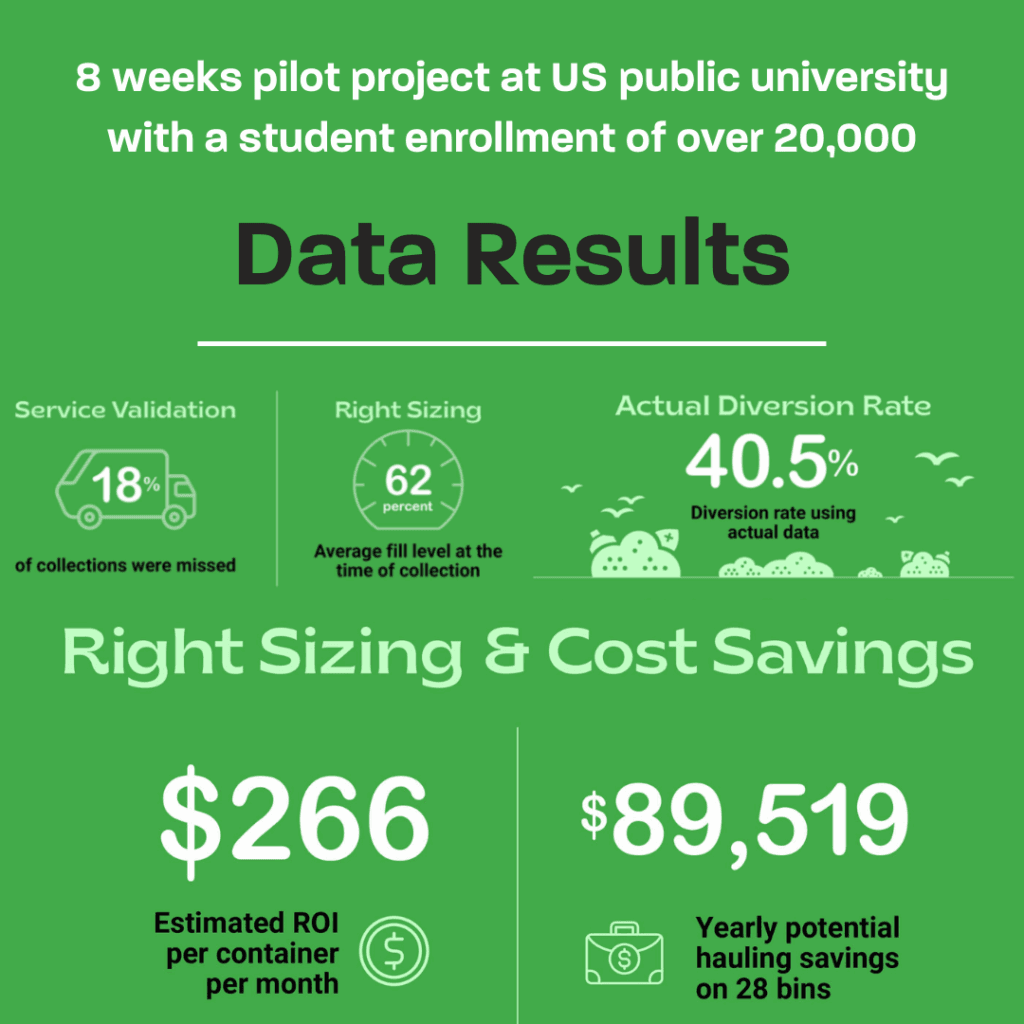
Universitäten in den USA und Kanada haben die Füllstandsüberwachung für Abfallbehälter und Container getestet und dabei klare Daten zu deren Nutzen erhoben. So führte beispielsweise eine öffentliche Universität in den Vereinigten Staaten mit mehr als 20.000 Studierenden ein achtwöchiges Pilotprojekt durch. In diesem Zeitraum sparte die Universität rund 266 US-Dollar pro Behälter und Monat ein. Im Rahmen des Projekts wurden Ultraschallsensoren eingesetzt, um den Füllstand der einzelnen Behälter zu erfassen, sowie ein zentrales System zur Auswertung aller Daten. Diese Lösung ermöglichte es dem Personal, die Behälter in Echtzeit zu überwachen und die Sammelrouten auf Grundlage des tatsächlichen Bedarfs zu planen.
In Kanada funktionierten intelligente Abfallbehältersensoren auch während kalter Winter zuverlässig und bewältigten Temperaturschwankungen, ohne an Messgenauigkeit zu verlieren. Diese Projekte führten zu einer geringeren Anzahl von Abholfahrten. Auf einigen Campusstandorten wurden bis zu 30 % weniger Fahrten verzeichnet, was zu einem geringeren Kraftstoffverbrauch, niedrigeren Personalkosten und weniger Fahrzeugbewegungen auf dem Campus führte. Diese Veränderungen helfen Universitäten, die CO₂-Emissionen aus der Abfallsammlung deutlich zu reduzieren.
Betriebliche und ökologische Verbesserungen
Durch die Überwachung der Füllstände von Abfallbehältern konnten Universitäten ihre Campusgelände sauberer halten, da Behälter nur noch selten überlaufen und weniger Abfall herumliegt. Facility Manager nutzten die neuen Daten, um zu entscheiden, wo Abfallbehälter platziert werden sollten und wie häufig Abholungen einzuplanen sind. Dies verbesserte das Abfallmanagement insgesamt und ermöglichte es, Anzahl und Art der Behälter besser an den tatsächlichen Bedarf anzupassen. Die Daten trugen außerdem dazu bei, die Recyclingquoten zu erhöhen, indem Überfüllungen verhindert und die Vermischung unterschiedlicher Abfallarten reduziert wurden.
Erkenntnisse und bewährte Vorgehensweisen
Pilotprojekte haben gezeigt, dass eine frühzeitige Einbindung der Mitarbeitenden und eine transparente Kommunikation der Projektziele die Erfolgschancen deutlich erhöhen. Die Sensoren funktionierten mit verschiedenen Behältertypen und erwiesen sich unter unterschiedlichen Wetterbedingungen in ganz Nordamerika als zuverlässig. Die Erfassung detaillierter Echtzeitdaten half Universitäten zudem dabei, ihre Nachhaltigkeitsmaßnahmen fundiert zu dokumentieren und ihre zukünftige Planung zu verbessern.
Diese Beispiele zeigen, dass die Füllstandsüberwachung an Universitäten echte, messbare Verbesserungen bewirken kann. Andere Hochschulen in den USA und Kanada können diese Ergebnisse als Orientierung nutzen, wenn sie ihre eigenen Abfallmanagementsysteme verbessern möchten.
Überwindung von Hürden und Sicherstellung des langfristigen Erfolgs
Bewältigung technischer und betrieblicher Herausforderungen
Universitäten in den USA und Kanada stehen bei der Nutzung von Füllstandsüberwachungssystemen für Abfallbehälter und Container vor mehreren Herausforderungen. Eine der größten betrifft die Zuverlässigkeit der Sensoren unter unterschiedlichen Bedingungen, etwa bei extremen Temperaturen, hoher Luftfeuchtigkeit und den vielfältigen Abfallarten auf dem Campus. Um Fehlmessungen zu vermeiden und die Genauigkeit des Systems sicherzustellen, sind eine korrekte Sensorkalibrierung und regelmäßige Wartung entscheidend. Eine weitere Herausforderung ist die Konnektivität, insbesondere in unterirdischen Bereichen oder abgelegenen Teilen des Campus, in denen drahtlose Signale schwach sein können. Diese Probleme lassen sich durch die Auswahl von Sensoren lösen, die sich unter realen Einsatzbedingungen bewährt haben, sowie durch einen klar definierten Wartungsplan in Zusammenarbeit mit den Anbietern.
Schulung von Mitarbeitenden und Aufbau von Bewusstsein
Damit Füllstandsüberwachungssysteme zuverlässig funktionieren, ist eine umfassende Schulung des Personals sowie eine kontinuierliche Einbindung aller Beteiligten erforderlich. Facility-Management-Teams sollten klare Anleitungen zur Installation, Kalibrierung und Wartung der Sensoren erhalten und lernen, wie Füllstandsdaten richtig interpretiert und genutzt werden. Effektive Schulungsprogramme kombinieren praktische Übungen mit digitalen Lernmaterialien, sodass die Mitarbeitenden schrittweise Sicherheit und Fachkenntnisse aufbauen. Darüber hinaus ist es sinnvoll, die gesamte Campusgemeinschaft – einschließlich Studierender und Lehrender – über diese Systeme zu informieren. Wenn alle ihre Rolle bei der korrekten Nutzung der Abfallbehälter verstehen, lassen sich genauere Daten erfassen und die campusweiten Bemühungen zur Abfallreduzierung wirkungsvoll unterstützen.
Sicherstellung von Datensicherheit und Datenschutz
Beim Einsatz IoT-basierter Füllstandsüberwachungssysteme müssen Datensicherheit und Datenschutz sorgfältig berücksichtigt werden. Diese Systeme erfassen Füllstandsdaten in Echtzeit und übertragen sie an zentrale Campus-Management-Plattformen. Studien zeigen, dass der Schutz dieser Daten vor unbefugtem Zugriff, die Einhaltung campusinterner sowie gesetzlicher Datenschutzvorgaben und die Vermeidung eines Datenmissbrauchs zu den häufigsten Herausforderungen zählen (Journal of WJARR, 2025). Es empfiehlt sich, bei der Datenübertragung eine starke Verschlüsselung einzusetzen, den Zugriff auf sensible Systeme über rollenbasierte Berechtigungen zu begrenzen und Hard- und Software regelmäßig auf Sicherheitslücken zu überprüfen. Eine enge Zusammenarbeit mit den IT-Abteilungen sowie die Beachtung von Regelwerken wie dem Family Educational Rights and Privacy Act (FERPA) in den USA und vergleichbaren Datenschutzgesetzen in Kanada tragen dazu bei, Studierenden- und Campusdaten zuverlässig zu schützen.
Wenn technische, betriebliche und sicherheitsrelevante Herausforderungen gezielt angegangen und gleichzeitig in geeignete Schulungen investiert wird, kann eine Universität den Nutzen von Füllstandsüberwachungssystemen voll ausschöpfen. Dieser Ansatz unterstützt sowohl effiziente Campusabläufe als auch die Nachhaltigkeitsziele der Hochschule.
Die Zukunft des intelligenten Abfallmanagements auf dem Campus
Neue Technologien: Künstliche Intelligenz, maschinelles Lernen und Robotik
Künstliche Intelligenz (KI) und maschinelles Lernen verändern die Art und Weise, wie Abfallbehälter auf dem Campus überwacht werden können. Diese Technologien nutzen prädiktive Analysen, um vorherzusagen, wann Abfallbehälter und Container voll sein werden. Fortschrittliche Algorithmen werten dabei Echtzeitdaten von Sensoren, historische Nutzungsdaten und Muster der Campusaktivitäten aus. Auf dieser Grundlage empfehlen sie optimale Zeitpunkte für die Abfallsammlung, wodurch unnötige Abholungen vermieden und das Risiko überfüllter Behälter reduziert wird.
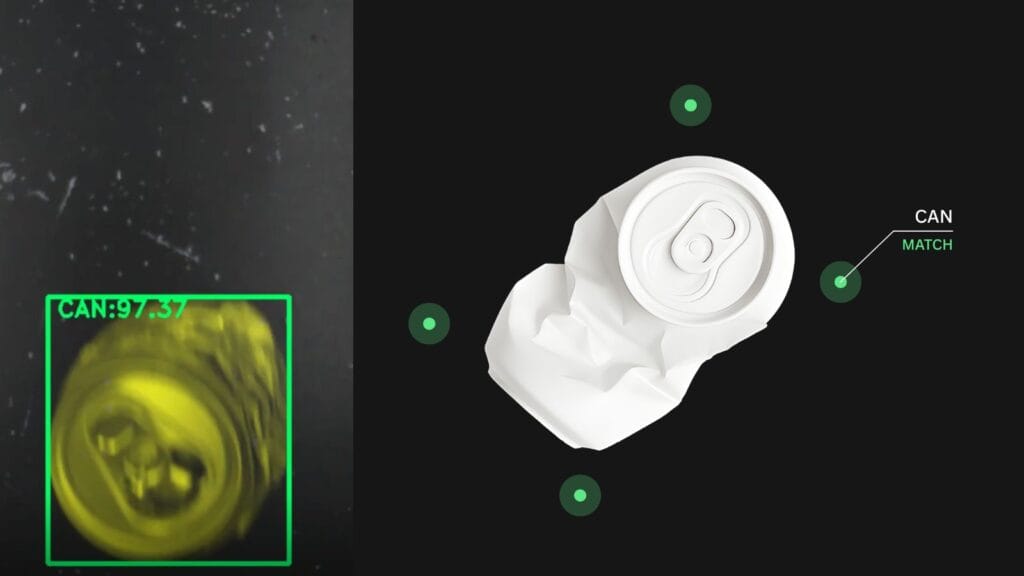
Auch die Robotik beginnt, Aufgaben wie das Sortieren und Handhaben von Abfällen zu automatisieren. So können beispielsweise KI-gesteuerte Roboterarme Wertstoffe erkennen und von Restabfällen trennen. Dieser Prozess unterstützt Universitäten dabei, ihre Recycling- und Nachhaltigkeitsziele zu erreichen, indem das Recycling effizienter gestaltet und der manuelle Arbeitsaufwand reduziert wird.
Weiterentwicklung von Nachhaltigkeitskennzahlen
Universitäten nutzen heute zunehmend detailliertere Methoden, um die Wirksamkeit ihrer Abfallmanagementprogramme zu messen. Dabei gehen sie über einfache Kennzahlen hinaus, wie etwa die Menge an Abfall, die nicht auf Deponien landet, oder den Anteil recycelter Materialien. Viele erfassen inzwischen auch, wie stark ihr Abfallmanagement zur Reduzierung von Treibhausgasemissionen beiträgt, wie viele Ressourcen zurückgewonnen werden und wie effektiv Materialien im Kreislauf gehalten werden, anstatt zu Abfall zu werden. Die von Füllstandssensoren gelieferten Daten liefern belastbare Kennzahlen, mit denen Universitäten diese Ergebnisse quantifizieren können. Auf dieser Grundlage können sie Fortschritte in Richtung Ziele wie Zero Waste oder Klimaneutralität dokumentieren – sowohl auf nationaler Ebene als auch innerhalb der eigenen Institution.
Politische Trends und Fördermöglichkeiten
Aktuelle politische Entwicklungen in den USA und Kanada ermutigen Bildungseinrichtungen zunehmend dazu, intelligente Abfalltechnologien einzusetzen. Förderprogramme, Fonds für grüne Infrastruktur und Vorgaben zur Abfallreduzierung unterstützen diese Maßnahmen häufig. Auf Bundes- und Provinzebene stehen teilweise finanzielle Mittel zur Verfügung, um Hochschulen und Universitäten bei der Einführung von Abfallmanagementsystemen zu unterstützen, die auf Internet-of-Things-(IoT-)Technologien und datenbasierten Ansätzen beruhen. Viele Hochschulen integrieren die Füllstandsüberwachung inzwischen in ihre Nachhaltigkeits- und Klimaschutzpläne, um neue regulatorische Anforderungen zu erfüllen. Die Zusammenarbeit mit Technologieanbietern sowie die Teilnahme an staatlich geförderten Pilotprogrammen helfen Universitäten dabei, diese fortschrittlichen Systeme schneller einzuführen.
Durch den Einsatz neuer Technologien, die Erfassung fortschrittlicher Nachhaltigkeitskennzahlen und die Nutzung unterstützender politischer Rahmenbedingungen können Campus-Abfallmanagementsysteme modernisiert und verbessert werden. Diese Maßnahmen helfen Universitäten, eine Vorreiterrolle im Bereich Nachhaltigkeit einzunehmen und den Campus auf zukünftige Herausforderungen vorzubereiten.
Latest waste library articles


Vom Konsum bis zum Recycling: 7 Phasen eines Getränkeverpackungsbehälters
Deposit Return System
Die 6 besten Zero-Waste-Projekte der Welt

Wie wird der Elektroschrott entsorgt?

5 Strategien zur Transformation des Abfallmanagements auf dem Campus
Waste Collection
Smart Waste Newsletter
Erhalten Sie monatliche Updates von unserem Unternehmen und aus der Welt der Abfallwirtschaft!