










Interview: Inside Austria’s New Deposit Return Scheme — EWP Shares Insights from the First Year
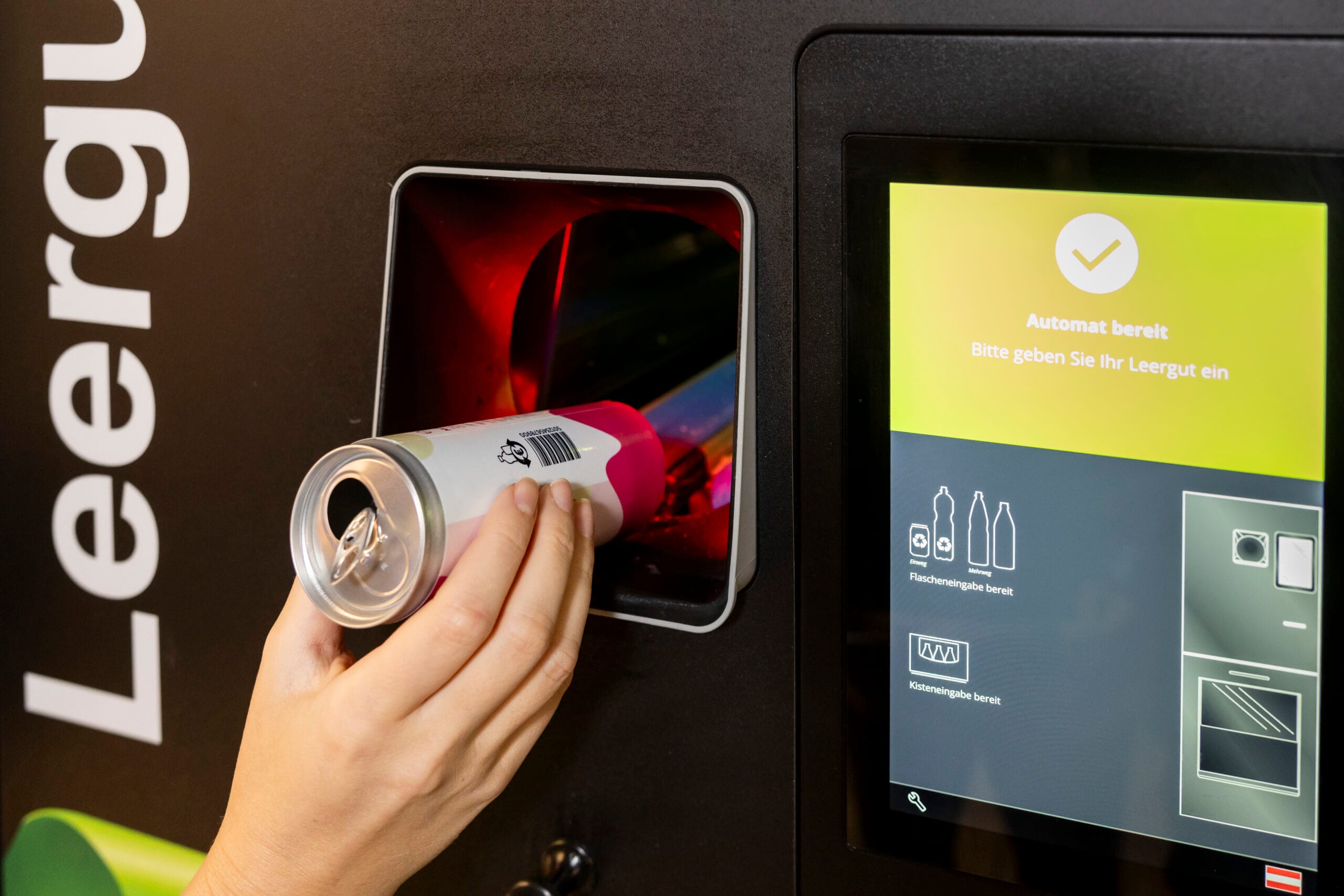
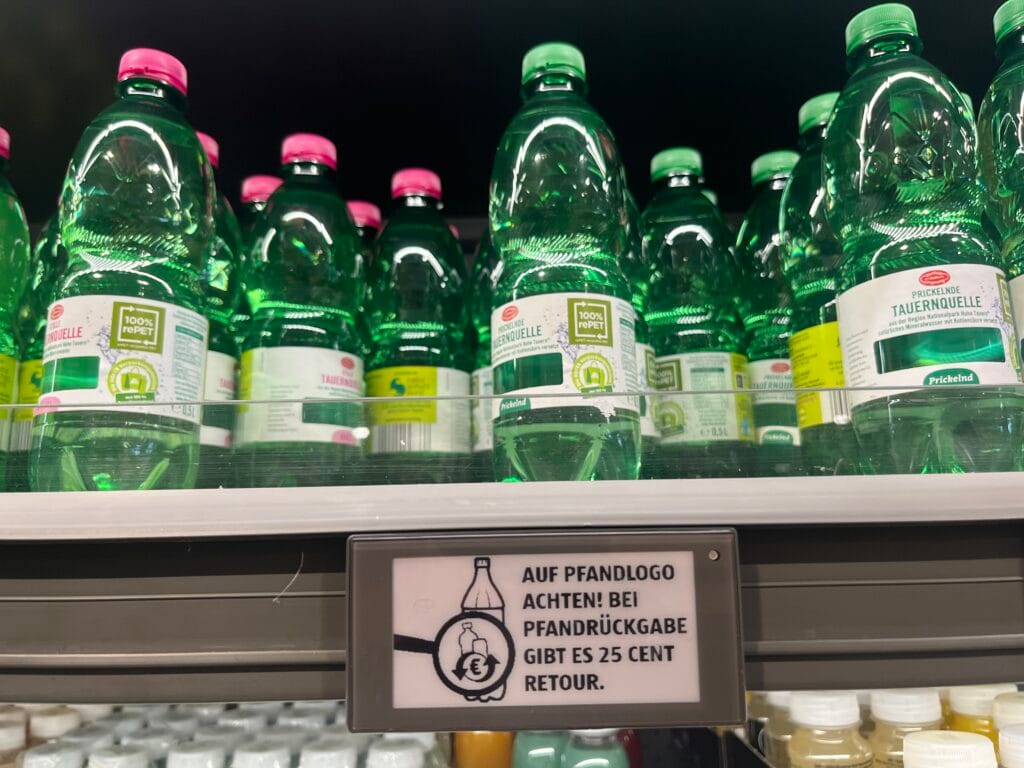
Austria’s Deposit Return Scheme (DRS) officially launched on 1 January 2025, introducing a €0.25 deposit on PET bottles and aluminium cans from 0.1 to 3 litres. The system is operated by EWP Recycling Pfand Österreich GmbH, the central non-profit entity responsible for organising and managing the nationwide return system.
We spoke with Stefanie Ruckhofer, Head of Marketing at EWP, and Valentin Hamm, the Head of IT at EWP, to understand their journey from concept to implementation and what’s next.
How long did it take from the initial idea to the launch of the DRS, and what were the major milestones?
(Stefanie Ruckhofer) EWP Recycling Pfand gGmbH was founded at the end of 2022 and began in 2023 by building the organisation and laying the structural foundations. A key milestone came in September 2023, when the official regulation was released. From that moment, the DRS had full legal backing, and all efforts shifted toward preparing for the launch on 1 January 2025.
What were the expectations from the public and industry before launch?
The primary expectation was clear: the system needed to work flawlessly from day one. Consumers had to be informed, producers needed to prepare their products for the transition, and all stakeholders had to be aligned early on. The sentiment was largely positive but focused on readiness and reliability.
How is the system viewed now that it has been running for almost a year?
Market research shows that 75% of consumers support the DRS. Their main motivators include reducing litter, with improvements already noticeable, and supporting the circular economy by returning materials so they can be effectively reused.
EWP recently announced that more than one billion containers had been returned by October. What does the collection rate look like now?
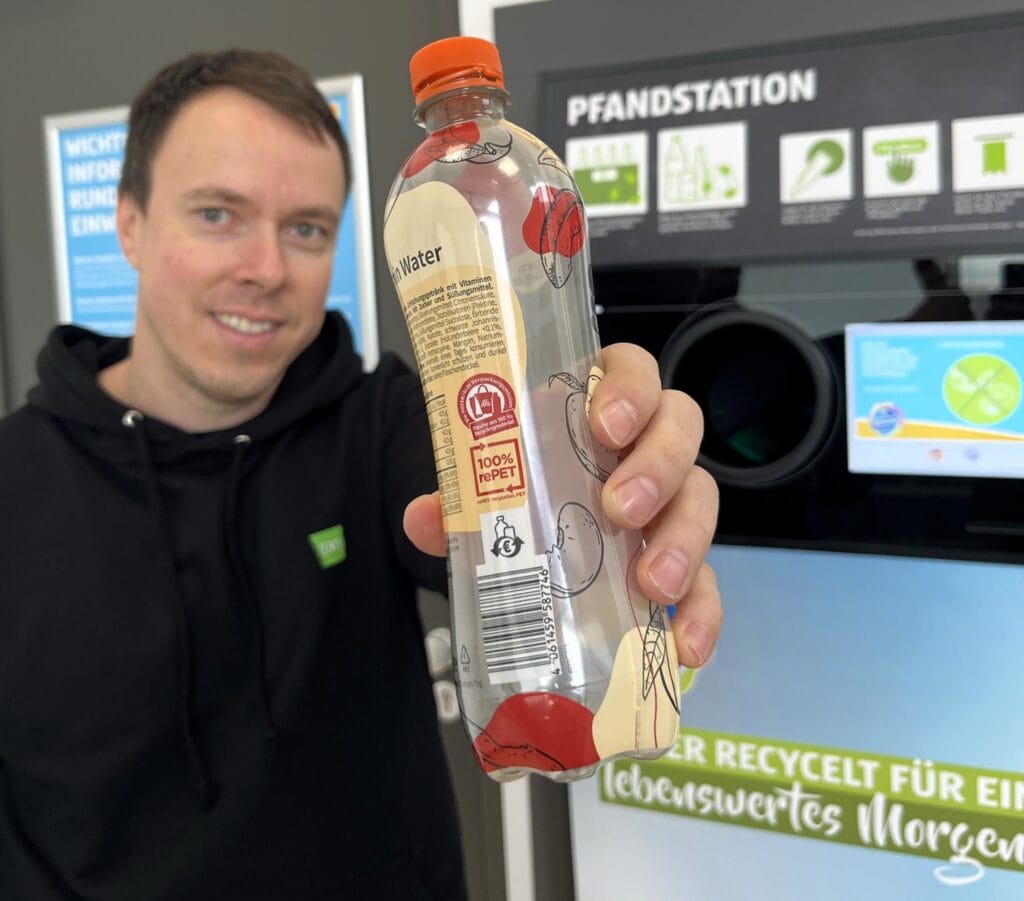
Collection ramped up steadily in the first months, increasing week by week. Today, rates have stabilised at a high level. EWP now collects 7 to 9 million packages every week, and by the end of November 2025, the total was 1.2 billion returned bottles and cans.
Is Austria still on track to reach the 80% return-rate target?
At this point, it looks achievable. Final confirmation will come in January, when the full-year figures are published for the first time.
Beyond the return rate, what are the next priorities for EWP?
One of the biggest tasks ahead is strengthening consumer understanding. Many people still wonder why the DRS is necessary if recycling existed before. We need to explain the difference between “recycling before” (materials were collected but not all of them recycled) and “recycling now,” where materials genuinely re-enter production cycles.
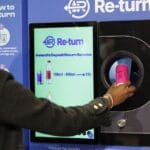
From a technical perspective, EWP plans to expand the manual return points, helping smaller shops join the scheme. There are also ongoing discussions about installing public collection points, which could particularly boost return rates in some areas.
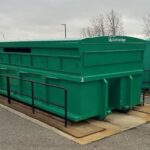
EWP is additionally exploring special containers that allow people to leave deposit items to donate them for social purposes, helping those who cannot or prefer not to return containers themselves while supporting social or charitable organisations.
Austria’s €0.25 deposit is one of the highest in Europe. Have you seen cases of fraud, and how do you prevent them?
EWP has a dedicated fraud-prevention team that analyses data and works closely with retailers to detect irregularities. Some cases have already been identified and successfully brought to court. Considering the relatively small financial gain compared to the high risk of being caught, fraud attempts tend to be limited.
What were the biggest challenges for consumers, producers, and retailers?
For consumers, the biggest change was behavioural: not squashing bottles, learning to distinguish deposit items from reusable glass bottles, navigating shelves containing old products, new deposit products, and international deposit containers simultaneously.
For producers, the transition required major operational changes. From updating GTINs and labels to training teams and adapting to monthly reporting duties. Retailers had to invest in reverse vending machines, develop internal processes, train staff, and manage storage. For small shops handling manual returns, setting up an efficient system was a significant task.
What were the key ingredients behind Austria’s successful DRS rollout?
Careful planning, structured processes, and an experienced team were essential. Equally important was excellent cooperation across all stakeholders: retailers, producers, and industry partners. Regular communication and shared commitment played a major role in ensuring a smooth launch.
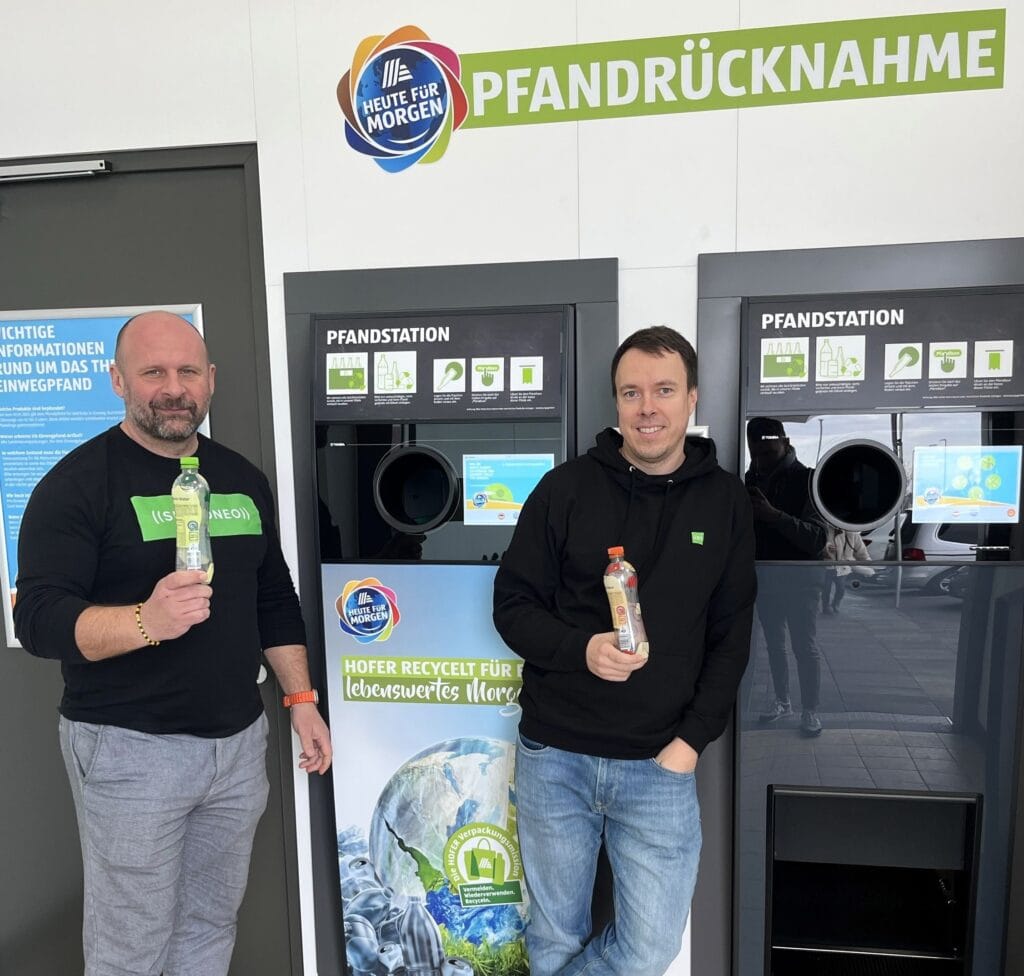
Insights from the IT Department — With Valentin Hamm, Head of IT at EWP
How does Sensoneo contribute to Austria’s DRS?
Sensoneo is one of EWP’s key SaaS suppliers. Its solution supports almost every stakeholder and process connected to the deposit system. From day one, a high degree of automation was achieved, and this continues to improve through close collaboration between Sensoneo and EWP.
How do you assess the cooperation with Sensoneo? What is their biggest value?
Sensoneo is a reliable partner delivering a stable, purpose-built software solution for managing a nationwide deposit scheme. Its experience from other countries proved extremely valuable during Austria’s setup in 2024, and Sensoneo continues to act as a sparring partner when exploring new ideas and solutions. With high-quality software delivered on time, EWP looks forward to developing further functionalities with Sensoneo’s professional and motivated team.
A perspective from Sensoneo
Peter Knaz, Deputy CEO at Sensoneo, highlights EWP’s readiness for launch:
“The EWP team was extremely professional and well prepared from day one. The framework for Austria’s scheme was already well analysed and adapted to national specifics, which enabled a smooth process design together with Sensoneo.
We especially appreciate the strong focus on security and the development of unique tools to counter cross-border fraud, supported by well-aligned IT teams on both sides.
We are honoured to participate in the successful launch and operation of the Austrian DRS, and we are looking forward to contributing to future achievements — reaching high collection rates and ensuring convenience for consumers.”

Latest blog articles
 Awards
Sensoneo received the Energy Globe Award
Read more Awards
The Schaeffler company received Innovation Award for the digitalization of their waste management
Read more DRS
DRSSlovak Deposit Return System highlighted at RWM in Birmingham
Read more- Awards
Sensoneo is one of the top 50 fastest growing technology companies in the Central European region
Read more
- Awards
Sensoneo received the Energy Globe Award
Read more - Awards
The Schaeffler company received Innovation Award for the digitalization of their waste management
Read more - DRS
Slovak Deposit Return System highlighted at RWM in Birmingham
Read more - Awards
Sensoneo is one of the top 50 fastest growing technology companies in the Central European region
Read more
Smart Waste Newsletter
Get monthly updates from our company and the world of waste!