














EPR’s Role in US Waste Management and Policy Evolution
Introduction: EPR’s Role in US Waste Management and Policy Evolution
Extended Producer Responsibility as a Policy Instrument
Extended Producer Responsibility, or EPR, is an environmental policy that makes producers responsible for their products throughout their entire life cycle. This responsibility covers collection, recycling, and disposal when the product reaches the end of its use. EPR ensures that environmental costs, which were often left out of the original product price, now factor into the market price and product management. This approach encourages manufacturers to design products that you can reuse, recycle, or dispose of in safer ways.
EPR’s Impact on US Waste Management Systems
In the United States, EPR has become an important tool for updating waste management practices. EPR shifts both the cost and the responsibility for handling waste from local governments to the companies that make the products. This shift aims to decrease how much waste ends up in landfills and to increase recycling rates. Producers often join groups to meet these responsibilities together. They also work to improve how they package products and design electronics, which leads to less waste and more resources recovered from used products.
Driving Policy Evolution and Sustainability
EPR supports changes in policy by applying the “polluter pays” idea to local and state laws. The US does not have a single national EPR law, but many states have created their own EPR rules that focus on different products. These state policies set higher expectations for environmental practices. They also help move the country toward a system where materials get reused in a circular economy. EPR encourages governments, manufacturers, and recycling companies to work together.
By making sure that producers handle the environmental effects of their products and include these costs in prices, EPR helps create better material use cycles. This policy approach brings US waste management practices closer to well-established global standards.
Understanding EPR: Foundations and Purpose
What is Extended Producer Responsibility (EPR)?
Extended Producer Responsibility (EPR) is an environmental policy that gives producers direct responsibility—financial or physical—for managing products after consumers use them. EPR makes manufacturers handle the environmental impact of their products at every stage, including design, production, and disposal. This policy requires companies to cover the costs linked to waste management, so cities and the public do not have to carry these expenses.
Scientific Rationale and Policy Goals
EPR uses ideas from lifecycle analysis and the polluter pays principle. When producers manage waste and product recovery, they have a reason to design items that last longer, are easier to repair, and can be recycled. This approach encourages companies to improve how they make products, use fewer natural resources, and cut pollution from waste. Research shows that EPR systems help collect more products for recycling and support circular economy methods, where materials are reused and recycled instead of thrown away.
Purpose and Intended Outcomes of EPR
EPR aims to lower the environmental effects of products after people finish using them. The main goals include:
- Cutting down how much waste goes to city landfills.
- Boosting recycling and the recovery of useful materials.
- Motivating companies to design safer and more sustainable products and packaging.
- Sharing the costs of waste management fairly between everyone involved in making and selling products.
When producers take charge of what happens to products at the end of their use, EPR helps save resources, reduces pollution, and supports more sustainable ways to make and use products.
How EPR Laws Are Developed and Enforced
Legislative Development of EPR Laws
In the United States, state legislatures create and pass Extended Producer Responsibility (EPR) laws. Lawmakers draft these bills by considering local environmental concerns, input from stakeholders, and the activities of certain industries. While developing an EPR law, officials often meet with producers, environmental organizations, city representatives, and the public to gather feedback. Each law clearly lists which products it covers—such as packaging, electronics, or batteries. The law also explains what producers must do, how they should report their actions, and how program funding will work. After the legislature approves a bill, it becomes a state law that sets the rules for producer responsibility.
Core Components: Producer Responsibility Organizations and Program Plans
Most EPR laws require producers to join or set up Producer Responsibility Organizations (PROs). PROs are nonprofit groups that help producers follow the law. They collect and manage producer fees, organize recycling or collection programs, and make sure everyone meets the requirements set out in a producer responsibility plan. These plans describe how the program will run, how producers will report their progress, the goals for recycling or collecting products, and how they will educate the public. Some states allow individual producers to create their own plans if they follow state rules.
Enforcement and Compliance Mechanisms
State environmental agencies, like departments of environmental protection or waste management, make sure everyone follows EPR laws. These agencies review the plans submitted by PROs, check reports, and conduct audits to see if producers reach their targets. Producers and PROs must provide data that show how much material they collect or recycle, how they use program funds, and how well the program works. If someone does not follow the rules, the state can fine them, stop them from selling products, or use other penalties.
Variation Across States and Continuous Oversight
Because there is no national EPR law, states use different approaches. The products covered, fees charged to producers, how often producers must report, and how closely states check compliance can all vary. Some states adjust producer fees based on how environmentally friendly a product is, while others focus on using funds for education or improving waste management systems. Lawmakers often update EPR laws in response to new feedback and changing needs, which helps address new challenges in managing waste and products.
This section explains how EPR laws in the US are created and enforced, showing the involvement of state governments, Producer Responsibility Organizations, and enforcement agencies.
Key EPR Waste Streams in the US
Major Product Categories Covered by EPR
Extended Producer Responsibility (EPR) laws in the United States address a variety of waste streams. The details of these laws can change depending on the state and the type of product. Research from the Product Stewardship Institute and the US Environmental Protection Agency (EPA) lists the main EPR waste streams found in current state laws.
Packaging and Printed Paper
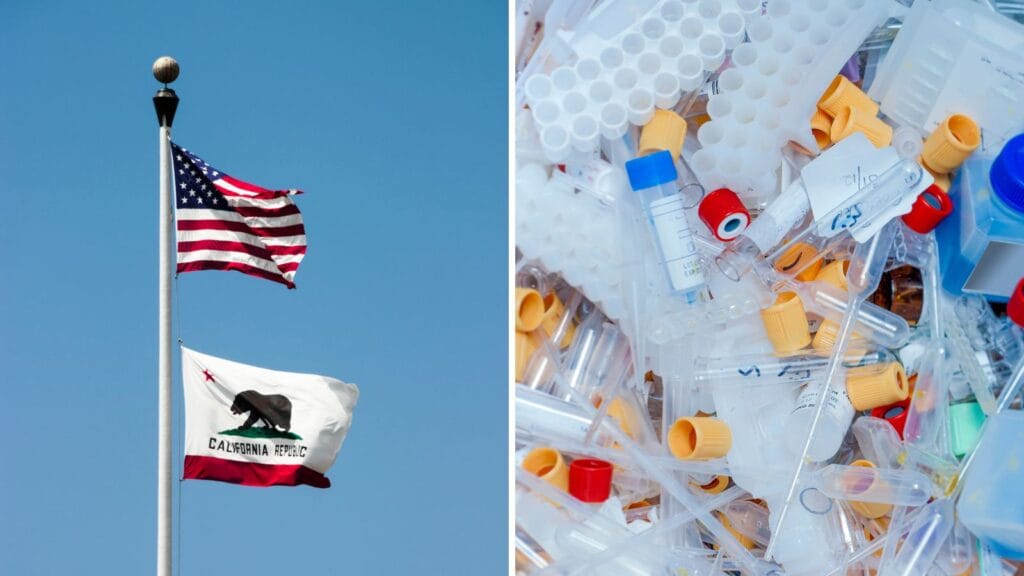
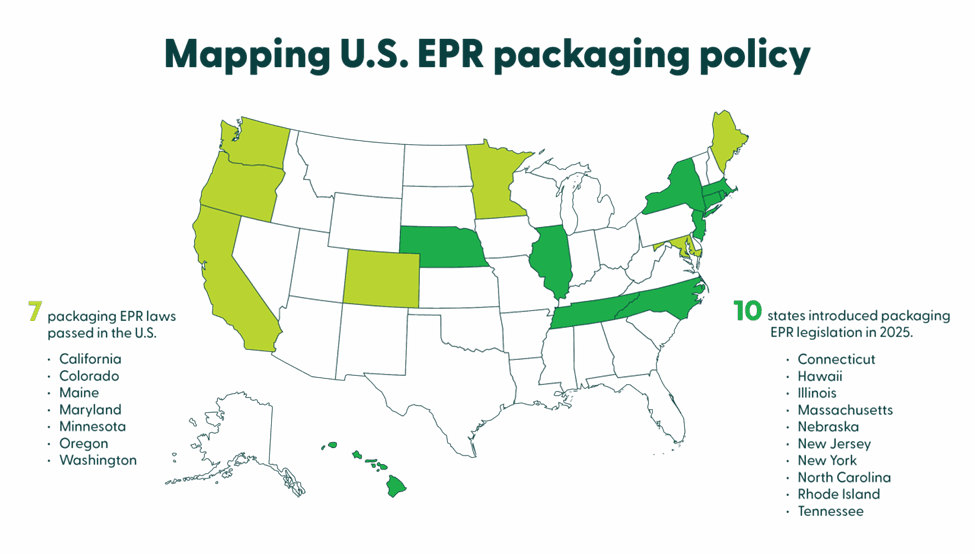
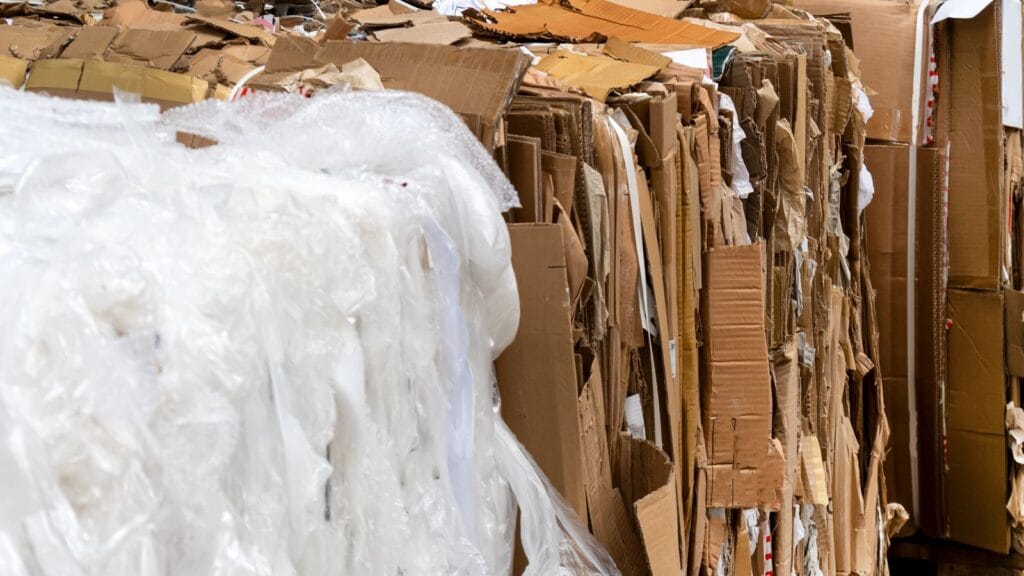
States like California, Maine, Oregon, Colorado, and Minnesota have EPR laws that cover packaging materials. These materials include cardboard, plastics, glass, metals, and printed paper. Producers must handle the collection, recycling, and reporting of packaging waste. These rules help remove large amounts of waste from landfills and improve how much material gets recycled.
Electronics (E-Waste)
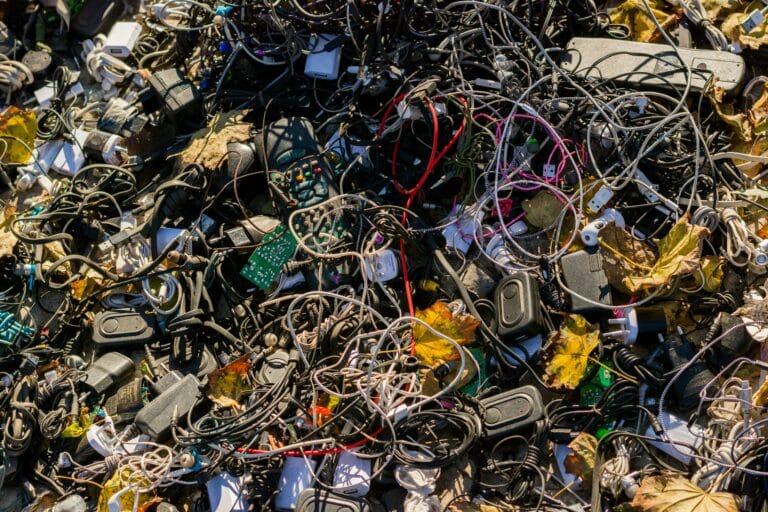
Electronic waste, or e-waste, is one of the most commonly regulated categories under EPR. More than 25 states require manufacturers to pay for the collection and recycling of electronics such as televisions, computers, monitors, printers, and related equipment. E-waste contains hazardous materials like lead, mercury, and cadmium, along with valuable resources that can be recovered. Responsible management of these products protects environmental and human health.
Batteries
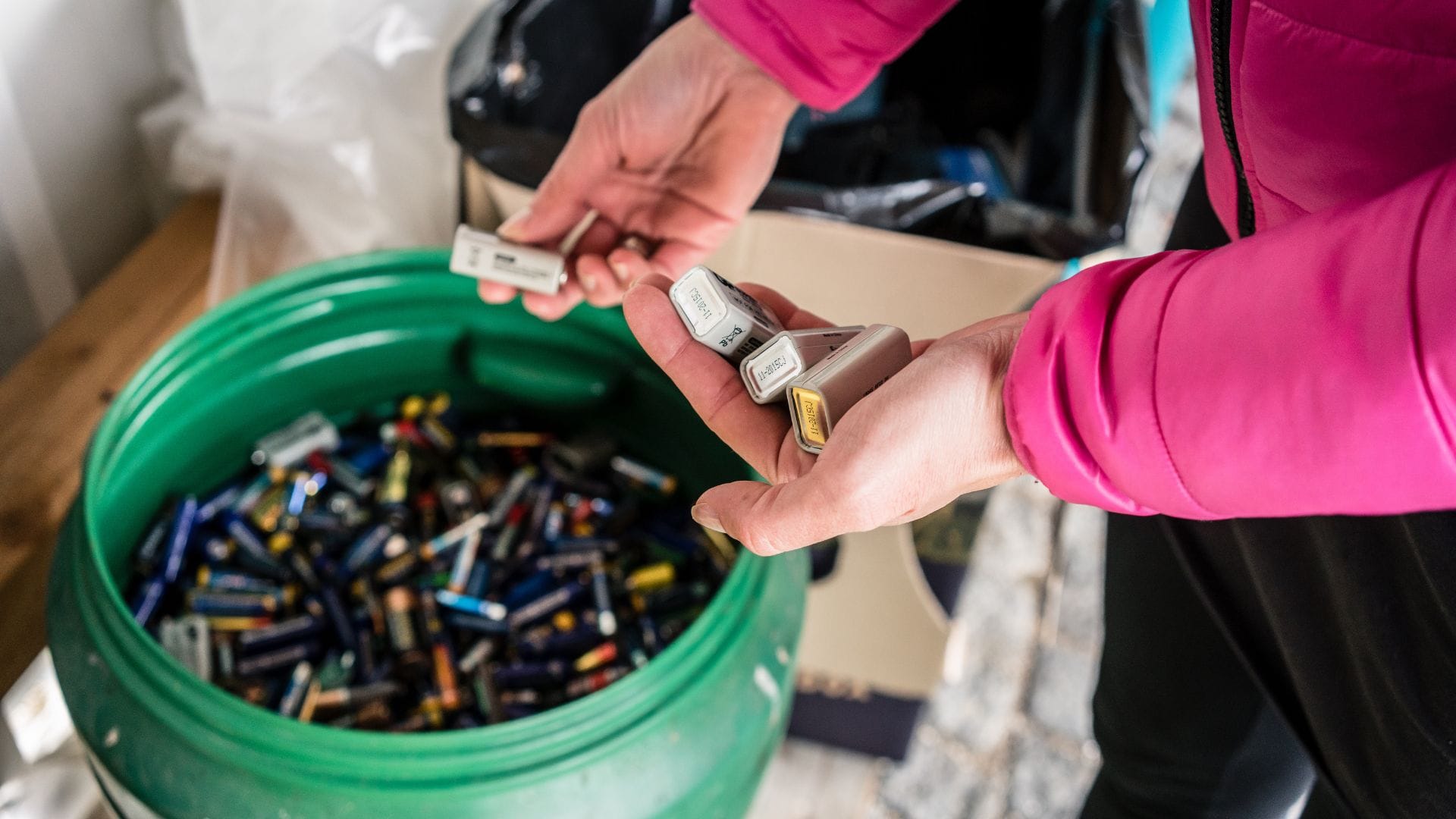
Some states require EPR for both single-use and rechargeable batteries. These programs collect batteries that contain materials such as lithium, nickel, and cadmium. Proper collection reduces the risk of fires and prevents hazardous substances from contaminating the environment. Vermont, California, and Washington are among the states with battery EPR laws.
Paint
Paint stewardship programs exist in over ten states, including California, Connecticut, and Oregon. Producers must pay for systems that collect and recycle leftover architectural paint. These programs have led to higher recycling rates and less improper disposal of paint.
Pharmaceuticals and Medical Sharps
EPR laws for pharmaceuticals are active in states such as California and Washington. Drug manufacturers must cover the costs of safely collecting and disposing of unused medications and medical sharps. These programs help prevent accidental poisonings, substance misuse, and the entry of pharmaceuticals into water supplies.
Mattresses and Carpets
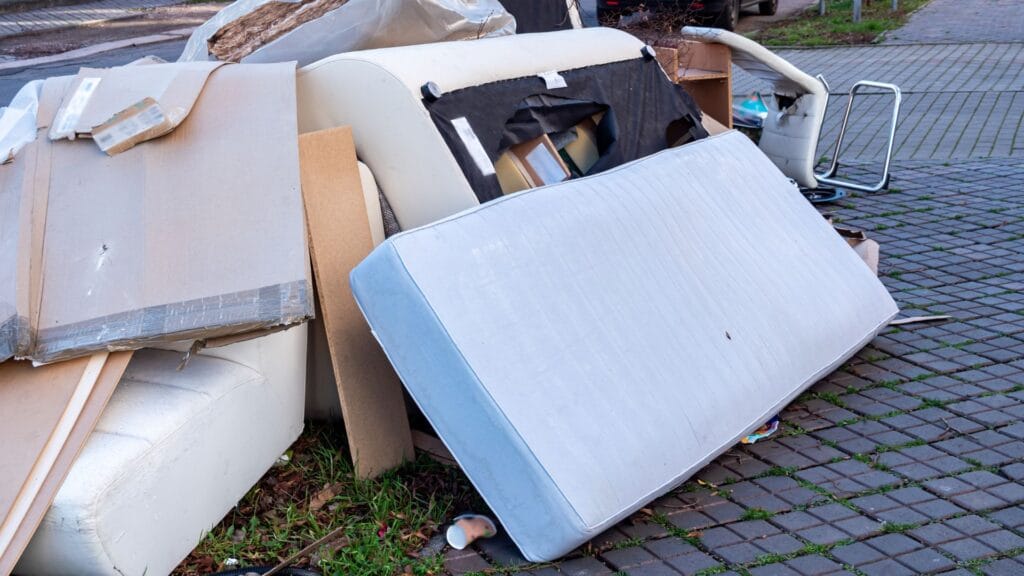
California, Connecticut, and Rhode Island have laws requiring producers to run collection and recycling programs for mattresses. Carpets, which are difficult to recycle because they contain mixed materials, fall under EPR rules in states like California. These programs keep large volumes of these items out of landfills.
Mercury-Containing Products and Lighting
Several states use EPR programs to manage products that contain mercury, such as thermostats and fluorescent lamps. Proper collection and recycling prevent mercury from entering the environment.
Textiles (Emerging Stream)
Textile EPR is a newer policy area. States like New York have started pilot programs and are considering new laws. These efforts focus on clothing and fabric waste, aiming to lower the environmental impact of producing and disposing of textiles.
Scientific and Regulatory Rationale
Lawmakers select these EPR waste streams based on factors like how toxic the items are, how easily they can be recycled, the amount of waste they create, and the potential to recover useful materials from them. Data from the EPA and state agencies show that these products make up a large share of municipal solid waste and can create specific environmental or health risks if not handled correctly.
Summary
In the United States, EPR laws most often cover packaging, electronics, batteries, paint, pharmaceuticals, mattresses, carpets, products with mercury, lighting, and, more recently, textiles. Each state sets its own rules and requirements based on its specific needs and local industries. These EPR programs make producers responsible for recycling and safe waste management, encouraging better recycling practices and more sustainable product design.
Trends and Recent Developments in US EPR Laws
Expansion of EPR Packaging Laws
By 2025, seven states—Maine, Oregon, Colorado, California, Minnesota, Maryland, and Washington—have established Extended Producer Responsibility (EPR) laws for packaging. In 2025, Maryland (SB 901) and Washington (SB 5284) added new EPR requirements, showing that more states are moving quickly to address packaging waste. Hawaii and Rhode Island have passed laws asking state agencies to study whether EPR programs would work in their states. In Massachusetts, a special EPR Commission is now developing policy recommendations to guide future legislative decisions.
Regulatory Program Refinements
States with EPR laws continue to update their rules to make programs clearer and more efficient. Maine’s SP 579 (2025) changes its program to lower regulatory costs and match up with rules in other states. In California, CalRecycle is adjusting the way fees are calculated and redefining certain products. These changes aim to help small businesses participate and clarify what producers need to do. Oregon and Colorado are improving their ecomodulation rules, which link fees to how environmentally friendly packaging is. Producers can pay less if they use recycled or reusable materials. Public meetings and opportunities for comment give stakeholders a chance to shape these new standards.
Producer Responsibility Organization (PRO) Developments
The Circular Action Alliance (CAA) now serves as the Producer Responsibility Organization (PRO) in Colorado, Oregon, California, and Minnesota. This group manages key parts of the EPR programs and helps producers follow the rules. Colorado has also approved a special PRO focused on petroleum and automotive packaging. This shows a move toward more specific compliance options for industries with unique packaging needs.
Implementation and Compliance Milestones
States are rolling out their programs. Producers in Oregon, Colorado, and Minnesota are registering with PROs and reporting data. Oregon’s program plans to handle more than 415,000 tons of packaging material by 2027. States are setting final rules for fees and describing which materials count as “readily recyclable,” “reusable,” or “compostable.”
Ongoing Challenges and Opportunities
States face several challenges as they build these programs. They need to make requirements consistent across states, keep costs manageable for small producers, and check claims about recycled content. Some states are making changes to improve transparency and efficiency. For example, Maine is updating its program to match standards used elsewhere, and Colorado is reviewing how companies account for recycled materials. These changes seek to balance environmental goals with the needs of businesses.
Legislative Outlook
EPR laws continue to gain support. Many states have bills or commissions working on future EPR policies. New York’s EPR bill is still active and could be debated again in the next legislative session. The trend suggests that more states will adopt EPR policies, expand the types of materials covered, and develop more advanced regulatory systems in the years ahead.
The Impact of EPR Policies on Stakeholders
EPR Impact on Producers and Manufacturers
EPR policies require manufacturers to take responsibility for their products at the end of their use. These rules prompt significant changes in how companies produce, package, and distribute goods. Producers must often join Producer Responsibility Organizations (PROs) and pay fees based on how much product they make or the level of toxicity involved. Scientific research by Tumu and others in 2023 shows that these laws encourage companies to use materials that can be recycled and to design products with the environment in mind. Many companies take these steps to lower their costs for meeting regulations and to avoid environmental problems. While companies may spend more money at first, many notice long-term savings and a better public image if they act early.
EPR Impact on Municipalities and Local Governments
EPR policies shift the cost of waste management from taxpayers to producers. This change helps local governments reduce their spending on waste collection and landfill use. Municipalities see higher recycling rates and can run more efficient collection programs with money collected from producer fees. Reports from the Product Stewardship Institute show that cities with strong EPR programs can use their resources for other environmental projects, which helps improve services for the community.
EPR Impact on Consumers
EPR policies improve recycling options for consumers by supporting more collection centers and product return programs. As companies make products that are easier to recycle, you face fewer challenges when getting rid of items. Research shows that these improvements in recycling systems lower illegal dumping and litter, which results in cleaner public areas and better health for the community.
EPR Impact on the Environment
EPR policies reduce the amount of waste going to landfills and cut down on pollution by raising recycling rates and promoting better product design. Reviews by Hammoud and others in 2025 demonstrate that EPR laws lower greenhouse gas emissions and decrease pollution, especially in areas like electronics, batteries, and packaging waste. These changes help meet climate and sustainability targets.
Economic and Social Implications
EPR encourages companies to create new recycling methods and logistics systems, which leads to new jobs in the green sector. Producers in the same market all follow similar rules, which helps prevent unfair competition and supports fair industry standards.
References:
- Tumu, K. et al. (2023). Global plastic waste recycling and extended producer responsibility. ScienceDirect.
- Hammoud, R. et al. (2025). Exploring the feasibility of extended producer responsibility for waste management. PMC.
- Product Stewardship Institute. EPR Is Not the Enemy of Industry—It’s the Future of Waste.
Frequently Asked Questions (FAQs) About EPR Policies in the US
What is Extended Producer Responsibility (EPR)?
Extended Producer Responsibility, or EPR, is a policy approach that holds producers responsible for the entire lifecycle of their products. This includes collecting products after consumers use them, recycling them, and making sure they are disposed of safely.
Which waste streams are most commonly regulated under EPR in the US?
In the US, EPR laws most often cover waste streams like packaging, electronic devices (sometimes called e-waste), paint, batteries, pharmaceuticals, mattresses, carpets, products with mercury, lighting, and, more recently, textiles.
Do EPR laws exist nationwide?
You will not find a single EPR law that covers the whole country. Instead, states create their own EPR laws. Because of this, what gets regulated and how it gets managed can look different depending on where you live.
How do EPR laws affect manufacturers?
If a manufacturer operates in a state with EPR laws, it must pay for or set up systems to collect and recycle its products. Manufacturers often work with groups called Producer Responsibility Organizations (PROs) to handle these tasks. They also need to follow rules about reporting and meeting recycling targets.
Are there penalties for non-compliance?
States can penalize companies that do not follow EPR laws. Penalties might include fines, losing the right to sell certain products, or other actions spelled out in state law.
Will EPR laws increase product costs?
Manufacturers may include some of the costs of following EPR laws in the price of their products. However, EPR programs can also reduce the money cities and towns spend to manage waste, which may help balance overall costs.
What is the role of a Producer Responsibility Organization (PRO)?
A Producer Responsibility Organization, or PRO, is a group created by industry or as a nonprofit. A PRO runs collection and recycling programs for producers, tracks data, and helps producers follow EPR rules.
Where can I find details about my state’s EPR laws?
You can get information about EPR laws in your state from your state’s environmental agency. National groups like the US Environmental Protection Agency (EPA), Product Stewardship Institute, and National Caucus of Environmental Legislators also provide updates and resources on EPR laws and regulations.
Conclusion: EPR’s Future and Importance for Stakeholders
EPR’s Evolving Role in US Waste Management
Extended Producer Responsibility (EPR) laws are shaping the future of sustainable materials management in the United States. By 2024, five states—California, Maine, Oregon, Colorado, and Minnesota—have put in place detailed EPR laws for packaging. Maryland and Washington have joined this movement as well. Published scientific and policy reviews expect more states to develop similar laws. Policymakers, environmental groups, and industry leaders see that EPR programs help divert waste from landfills and cut down on environmental pollution.
Anticipated Expansion and Harmonization
In the coming years, EPR programs in the US will likely include more types of waste, such as textiles and hazardous household products. More states are expected to adopt EPR policies. Producers that sell products in several states face challenges because each state can have different EPR requirements. Lawmakers are working to make EPR rules more uniform across states. A consistent set of rules would help companies follow the law more easily and encourage better product design and recycling systems.
Stakeholder Implications
Producers and Manufacturers: EPR requires companies to think about how to recover their products at the end of use. Companies need to use recyclable materials and work together in Producer Responsibility Organizations (PROs). Adapting early helps businesses meet regulations and can improve their public image.
Municipalities and Local Governments: EPR shifts some of the cost of waste management from local taxpayers to the companies that make products. This change allows local governments to use their resources in other areas and may improve public services and environmental results.
Consumers and the Environment: EPR programs make recycling easier for you, reduce illegal dumping, and support cleaner communities. Scientific studies link strong EPR policies with higher recycling rates and lower greenhouse gas emissions, which helps protect public health and natural systems.
Looking Forward
EPR laws in the US are moving the country toward a circular economy, where resources get reused and recycled instead of discarded. Ongoing research, clear reporting, and teamwork among all stakeholders will help achieve large goals for waste reduction and recycling. If you are a student, business leader, or policymaker, you can engage with EPR developments to support better waste management and a healthier environment in the United States.
Latest waste library articles

Understanding the link between waste and climate change
Environment
Insights into e-waste: history, current data, statistics, and the environmental impact of WEEE
EnvironmentTop 20 Manufacturing companies ranked by ESG waste score
Factory Waste Management, Waste CollectionTop 5 Challenges in e-waste collection and how to overcome them
Waste Collection
Understanding the link between waste and climate change
EnvironmentInsights into e-waste: history, current data, statistics, and the environmental impact of WEEE
EnvironmentTop 20 Manufacturing companies ranked by ESG waste score
Factory Waste Management, Waste CollectionTop 5 Challenges in e-waste collection and how to overcome them
Waste Collection
Smart Waste Newsletter
Get monthly updates from our company and the world of waste!