
















The Evolution of EPR Compliance and PRO Software Systems

What is EPR and Its Significance?
Extended Producer Responsibility (EPR) sets rules that require producers to manage the environmental effects of their products from the design stage through disposal. These rules ask companies to consider how their products impact the environment, not just during production, but also when people throw them away. EPR policies encourage companies to design products that are easier to recycle and reuse. They also push for higher rates of recycling and less waste going to landfills. Governments in Europe and other parts of the world have created laws that use EPR to improve how resources are used and reused. By the mid-2010s, there were more than 100 EPR programs with legal rules in place across the globe (OECD, World Bank).
The Role of Producer Responsibility Organizations (PROs)
Producer Responsibility Organizations (PROs) help groups of producers meet their EPR obligations. These organizations act as go-betweens, organizing how waste is collected, sorted, recycled, and reported. PROs make sure their members follow the rules and share the costs of these activities. They help bring together the efforts of many companies, handle large amounts of data, and represent producers when dealing with government agencies.
From Manual to Automated Compliance: A Brief History
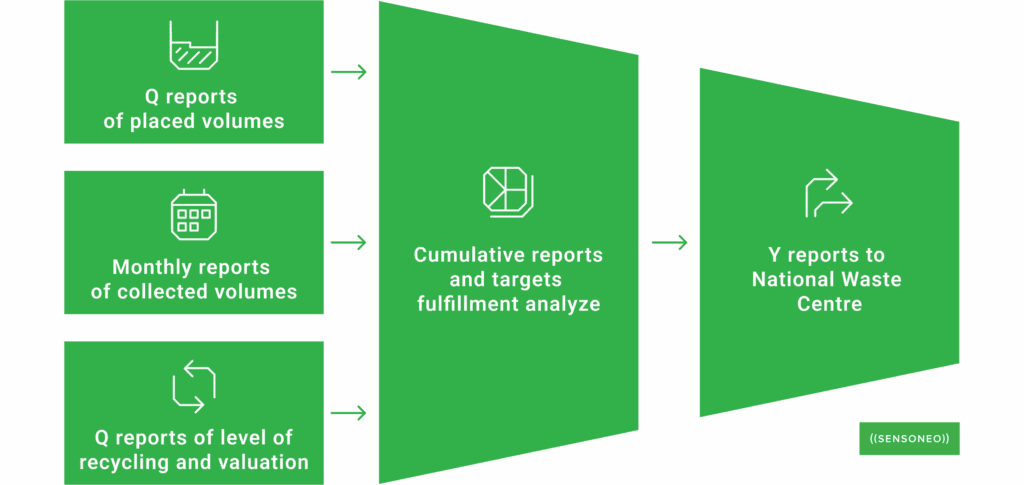
At first, companies managed EPR compliance using manual methods. They kept records on paper, used spreadsheets, and reported to authorities by filling out forms. As EPR rules became more common and more complicated, these manual methods became too difficult to manage. Companies began to use digital tools to keep track of data and meet reporting requirements. Over time, simple electronic systems gave way to advanced software designed specifically for Producer Responsibility Organizations. These software systems collect all the needed data in one place, automate tasks needed for compliance, and provide updates when regulations change. This shift from manual work to automated software has made it much easier and more accurate for companies of all sizes to follow EPR rules. Today, these software platforms help companies keep up with changing laws and manage their compliance efficiently.
Core Functions and Benefits of Modern PRO Software Systems
Centralized Data Management and Transparency
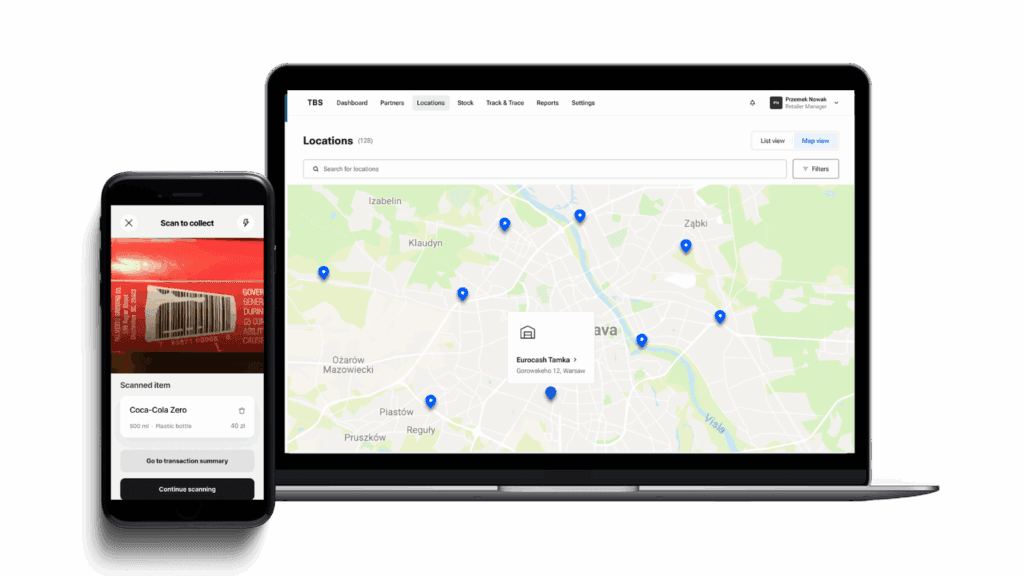
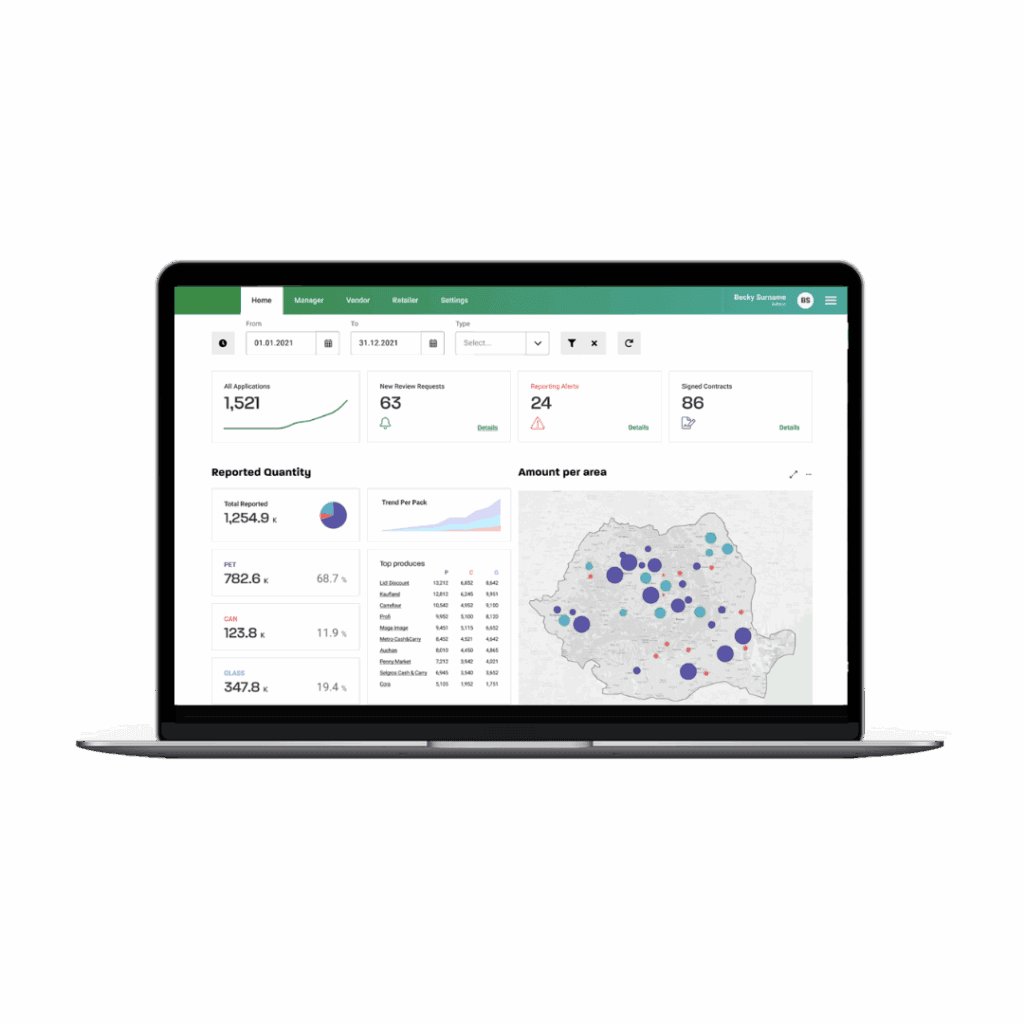
Producer Responsibility Organization (PRO) Software Systems act as a main hub for all information related to products, packaging materials, and waste management activities. These systems securely store and organize data, making sure that producers, PROs, and regulators always work with the same, up-to-date records. By using a single, central system, you can cut down on duplicate entries and avoid mistakes in your data. These platforms create clear records of every action taken, which helps with audits. When everyone involved can access the same information, it becomes easier to work together, show proof of compliance, and quickly respond to requests from regulatory authorities.
Automated Reporting Workflows
Modern PRO software automates the many complicated steps needed for Extended Producer Responsibility (EPR) compliance reporting. You follow guided workflows that help you collect, check, and format data as required by different laws in each country or region. The system handles scheduling and submitting reports automatically, which lowers the chance of human mistakes and saves you time. With these automated processes, you can complete reports more accurately and on time, freeing up your team to work on other important sustainability projects.
Real-time Compliance Monitoring and Alerts
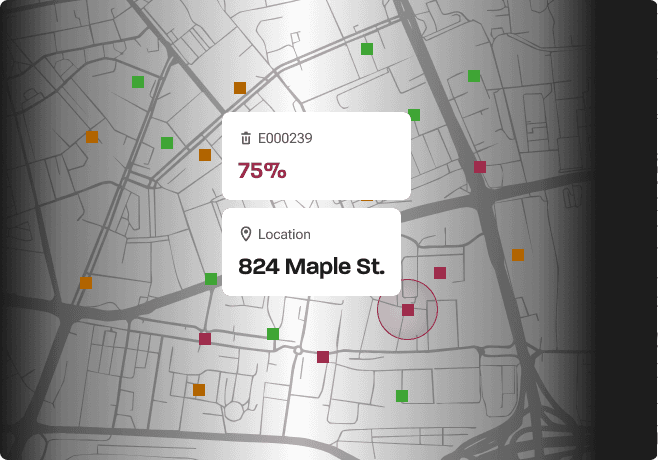
Dashboards and monitoring tools in these systems give you a clear view of your compliance status across all your products and regions. The software constantly reviews your data, looking for missing information or errors. If a reporting deadline is near or the system finds a problem, you get an instant alert. This feature lets you fix issues quickly, so you keep up with changing EPR regulations and avoid penalties. With real-time updates, you can make decisions based on current information and maintain compliance at all times.
Additional Organizational Benefits
When you use PRO Software Systems to handle EPR compliance, you make your operations more efficient and reduce time spent on paperwork. These systems create reliable records and help you manage all your regulatory tasks in one place. They scale easily, so they can fit the needs of both small and large organizations. As laws change or your business grows, the software adapts, helping you stay compliant and support your organization’s sustainability goals.

How AI is Revolutionizing EPR Compliance Reporting
Automating Data Collection and Validation
AI-powered EPR compliance systems connect directly with enterprise resource planning (ERP) software, supply chain databases, and outside registries. They gather product and packaging data automatically. Machine learning algorithms check this data for completeness, accuracy, and consistency. This process greatly lowers the chance of manual errors. Scientific research shows that automated data validation can cut compliance reporting mistakes by up to 80%. As a result, you spend less time preparing data and use fewer resources.
AI-Driven Regulatory Interpretation
Natural language processing (NLP) models, including large language models (LLMs), read and interpret new EPR regulations in many regions. These AI tools update compliance rules in the software without human input. This keeps your business in line with current legal requirements. AI systems scan government databases and legal sources constantly. They spot and react to regulatory changes as they happen. This process removes the need for frequent manual legal checks and speeds up compliance updates.
Machine Learning for Predictive Compliance
Machine learning algorithms review past compliance data to find risk patterns and predict where non-compliance might happen. Predictive analytics help you address weak spots early, estimate future EPR costs, and improve how materials move for better sustainability. These findings guide your decisions and let you use resources more effectively. This process lowers the risk of penalties and helps you work toward long-term sustainability targets.
When you use AI to handle data, interpret regulations, and predict risks, EPR compliance reporting becomes more efficient and forward-thinking. You move from simply reacting to requirements to using compliance as a tool for smart planning and improvement.

Real-World Applications and Case Studies
Global Companies Leveraging AI for EPR Automation
Many large companies now use AI-powered tools to improve Extended Producer Responsibility (EPR) compliance and support sustainability goals. For example, one global electronics company set up automated data collection and validation systems in its European supply chain. This led to an 80% drop in manual data entry mistakes and cut the time needed for compliance reporting in half. In another example, a major food and beverage company used AI-based Producer Responsibility Organization (PRO) software to spot weaknesses in how they managed packaging data. As a result, they lowered the costs related to compliance by 15%.
Cities have also started using AI for large-scale waste management. Amsterdam uses AI to plan how often to collect waste and where to place smart bins. This approach helps the city use resources better and lowers running costs. In Toronto, the municipal waste system uses AI to make collection routes more efficient and check compliance in real time. These changes have reduced the number of missed waste pickups and improved how well the city meets regulations.
Lessons Learned and Best Practices
Involving stakeholders early helps with smooth adoption. Strong data integration supports accurate system performance. Regular staff training ensures that organizations get the most benefit from AI-driven reports. Working with experienced technology vendors and keeping up with regulatory updates help organizations maintain compliance and manage costs over time.
These examples show how AI-powered EPR automation can make compliance easier, lower costs, improve operations, and support better environmental practices.
Overcoming Challenges in AI-Driven EPR Reporting
Data Integration and Legacy Systems
When you add AI-powered EPR (Extended Producer Responsibility) software to your existing systems, you often face the problem of connecting old and new data. Many organizations store historical compliance records in different formats and on separate platforms. This makes it difficult to move data smoothly into a new system. To avoid errors, you need to clean and standardize your data. Specialized migration tools can help with this process. Running pilot integrations allows you to test your approach and catch any problems, which reduces the risk of losing or corrupting data.
Navigating Regulatory Complexity Across Jurisdictions
EPR regulations change from one country or region to another. This creates challenges for companies that operate in several places. AI-driven platforms can help by automatically interpreting rules. However, these platforms work best when they have access to updated libraries of regulations and when someone monitors changes in the law. You should set up clear steps within your organization to review AI-generated results, check regulatory matches, and keep up with new requirements. Regular audits and working with local experts can help you stay compliant as laws change.
Ensuring Data Privacy and Security
AI-driven EPR systems handle large amounts of private business and regulatory information. To protect this data, you need strong privacy and security measures. Use end-to-end encryption, secure cloud storage, and multi-factor authentication to guard against cyber attacks and unauthorized access. Schedule regular security audits and train staff on the best ways to manage data. Follow international data protection standards like GDPR to help maintain trust and meet legal obligations.
Strategic Approaches to Overcoming Barriers
Start by assessing what your organization needs and what risks you might face before you bring in AI-driven EPR solutions. Provide ongoing training for staff, choose software providers with a good reputation and scalable products, and create strong rules for system management. Keep track of regulatory changes and update your systems regularly to make sure you stay compliant and can adapt as requirements change.
The Future of Producer Responsibility Organization Software Systems
Emerging Trends: Eco-Modulation and Circular Economy Integration
Producer Responsibility Organization (PRO) Software Systems are evolving to work closely with eco-modulation frameworks and circular economy ideas. Eco-modulation means adjusting compliance fees based on how much a product affects the environment and how easily it can be recycled. This approach encourages producers to create products that are better for the planet. In the future, software platforms will automatically calculate eco-modulated fees, using real-time data from supply chains and material recovery processes. This setup helps organizations connect financial incentives to environmental results, supporting both legal compliance and company sustainability goals.
Integration with circular economy systems will become the norm. The software will track materials from the point of production through reuse, recycling, and final disposal. This tracking provides detailed information about how resources move through the system. Producers can use this information for closed-loop reporting, which helps them reach recycling and resource efficiency goals set by new EPR (Extended Producer Responsibility) regulations.
Conversational Interfaces and Enhanced User Experience
Next-generation PRO software will use advanced conversational interfaces. These include chatbots and voice-activated assistants. Such tools will make compliance tasks simpler by guiding users through complex reporting steps and answering questions about regulations instantly. Improved user experiences will lower the need for training and decrease mistakes in reporting. More people across the organization will find the compliance system easier to use.
Preparing for Evolving Regulations and Technologies
EPR laws change quickly around the world, so software systems need to adapt easily. Future-ready platforms will use modular designs, allowing organizations to update compliance features quickly when laws shift. These platforms will also connect with technologies like artificial intelligence, blockchain, and the Internet of Things (IoT). These connections will improve data accuracy, make audits easier, and increase automation. With these tools, businesses can adjust to new regulations faster, lower their compliance risks, and keep improving their sustainability practices.
To keep up, organizations should choose PRO software that can grow and change as needed. They should also encourage learning about new regulations and technology. The future of PRO Software Systems depends on their ability to remain flexible, automate complex tasks, and provide clear information about sustainability. This combination supports compliance and helps move industries toward circular resource use across global value chains.
Latest waste library articles

Insights into e-waste: history, current data, statistics, and the environmental impact of WEEE
Environment
5 greenwashing lies about waste management
Environment5 Strategies to transform waste management on campuses
Waste Collection
Understanding the impact of industrial waste
Environment, Industrial Waste



Insights into e-waste: history, current data, statistics, and the environmental impact of WEEE
Environment5 greenwashing lies about waste management
Environment5 Strategies to transform waste management on campuses
Waste CollectionUnderstanding the impact of industrial waste
Environment, Industrial Waste
Smart Waste Newsletter
Get monthly updates from our company and the world of waste!